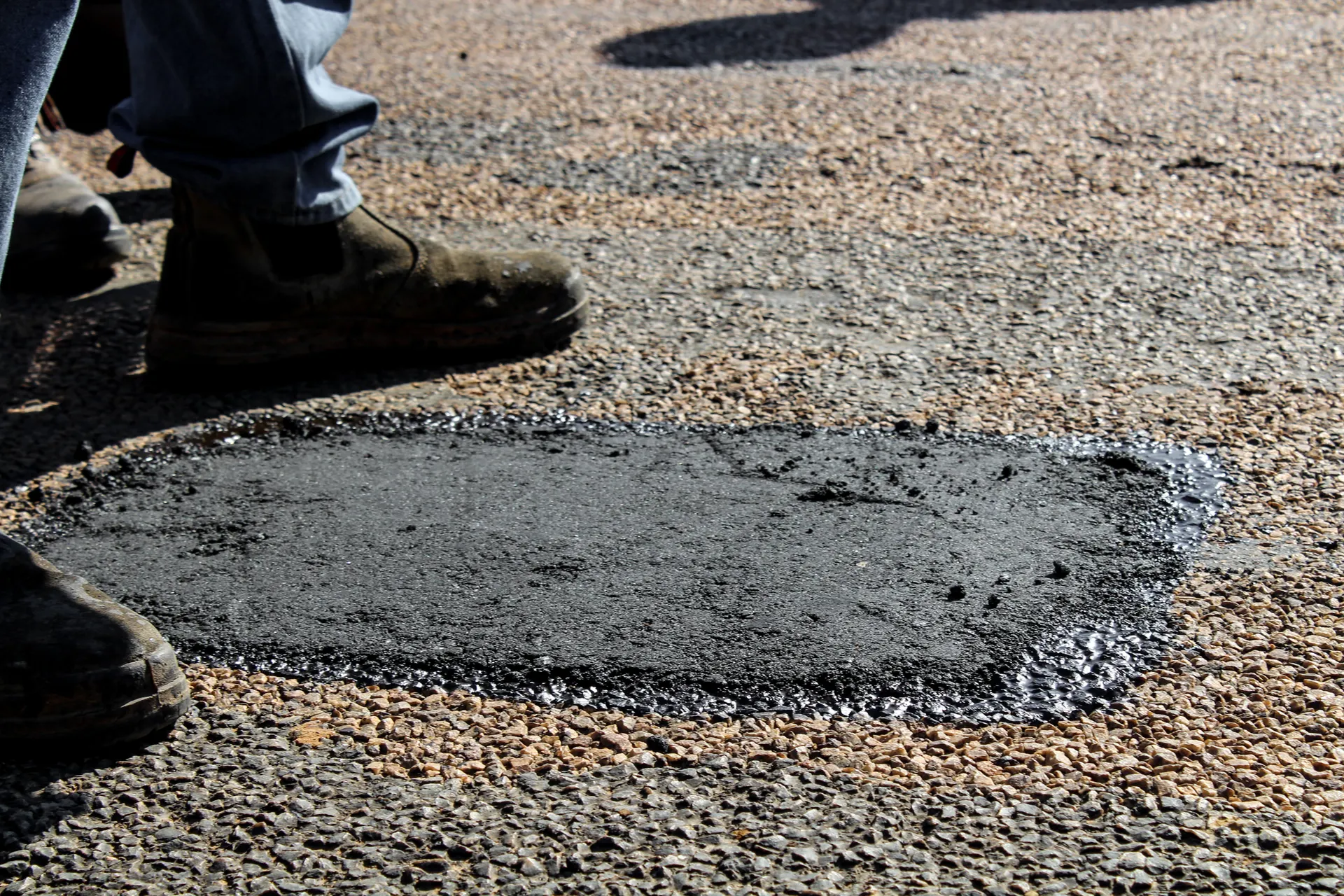
Asphalt Paving · Fort Worth, TX
Pothole Repair in Fort Worth, TX
Asphalt & Paving North Fort Worth has fixed potholes across the Mid-Cities for 15 years, matching the repair method to the hole instead of running one fix on everything — cold-patch for a hazard that needs closing today, hot-mix throw-and-roll for a permanent single-hole fix, and infrared repair where a seamless bond matters most. Call (817) 207-5968 and a crew is dispatched around the clock, since the crews we coordinate work Open 24 Hours.
A pothole starts as a pinhole crack that lets water down to the base course underneath it. Once that water sits under a wheel path and North Texas swings from a summer scorcher into a hard winter freeze, the trapped moisture expands and contracts and pops the surface loose from below — the hole you see is really a base failure that's already happened. Left alone through one more rain event, a pothole the size of a fist is routinely the size of a dinner plate within a couple of weeks, and every day it sits open is a liability exposure for whoever owns the pavement it's sitting in.
That's why speed is the whole game with pothole repair. Most single-hole calls get a cold-patch fix the same day to close the hazard, followed by a permanent hot-mix or infrared repair once the crew and materials line up, and most jobs run 30 minutes to 2 hours per hole depending on depth and how much surrounding pavement has already crumbled. Commercial property managers along the Belknap Street and Beach Street retail corridors know the pattern well — a hole that shows up Monday morning after a weekend of delivery-truck traffic is a liability problem by Tuesday, not a task for next month's maintenance visit.
When Fort Worth homeowners and property managers call for pothole repair, they're choosing a crew that treats a tripping hazard on a Tuesday like the emergency it actually is — a written quote, a fast turnaround, and a repair built to outlast the next freeze-thaw cycle rather than needing a second visit before spring.
What We Do
Our Pothole Repair Methods in Fort Worth
Not every pothole gets the same fix. We match cold-patch, hot-mix, or infrared repair to the depth of the hole, the traffic running over it, and how fast it needs to close — the same triage that keeps a $200 repair from becoming a $2,000 one.
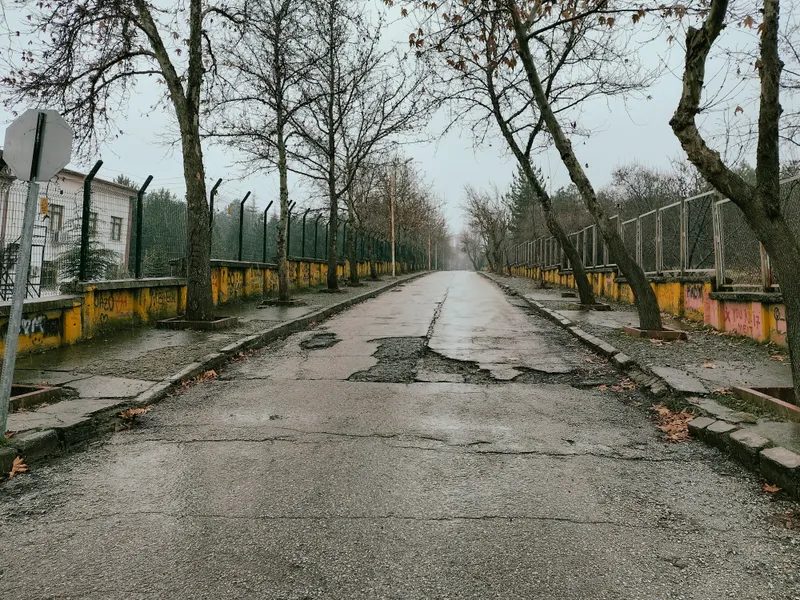
Cold-Patch: Fast Hazard Closure
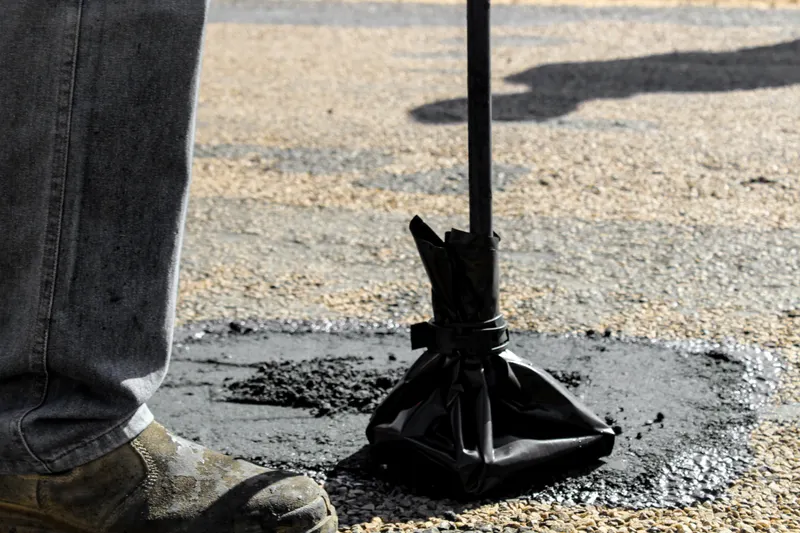
Cold-patch asphalt goes down straight from the bag, gets compacted with a hand tamper or plate, and closes a dangerous pothole the same day a call comes in — no plant mix required, no cure window before a car can drive over it. It's the right call on a retail lot's drive aisle at 6 p.m. on a Friday, or any hole that's a liability risk before a permanent crew can mobilize.
Cold-patch isn't the final answer, though. It doesn't bond to the surrounding pavement the way heated material does, so it's a bridge repair we follow with hot-mix or infrared work once conditions allow.
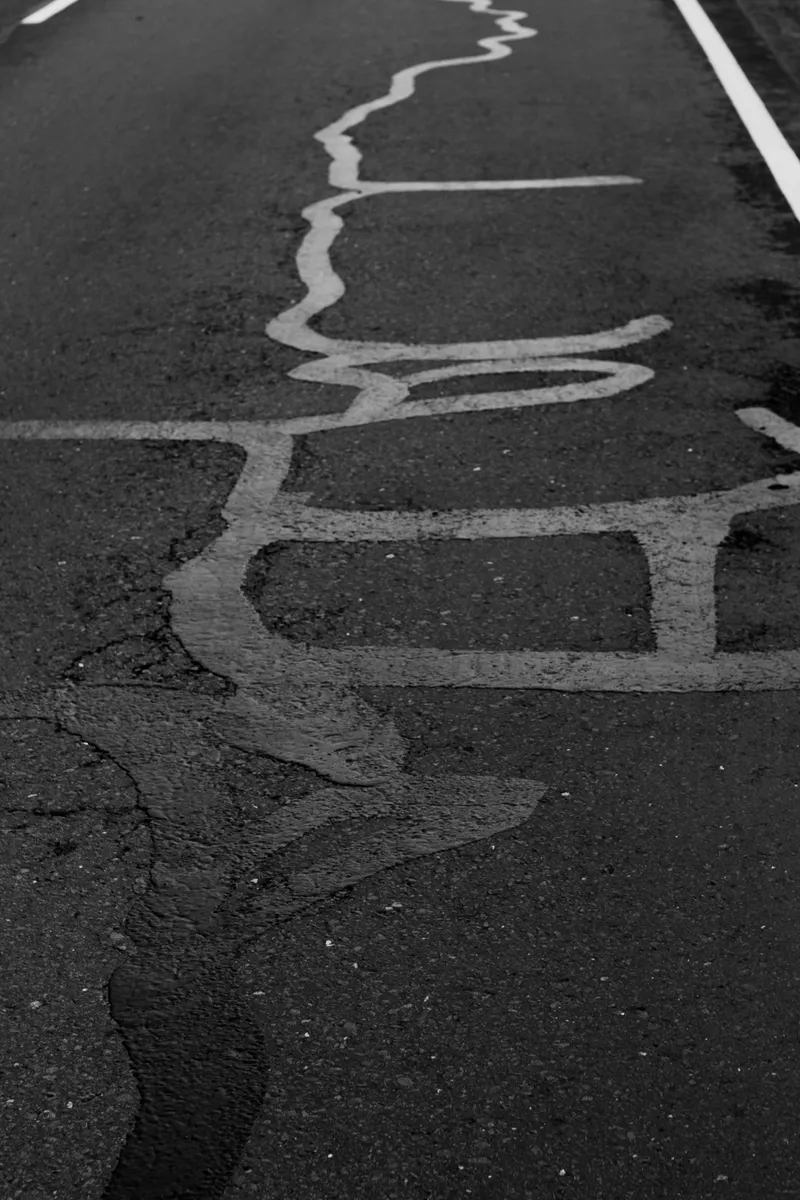
Hot-Mix Throw-and-Roll
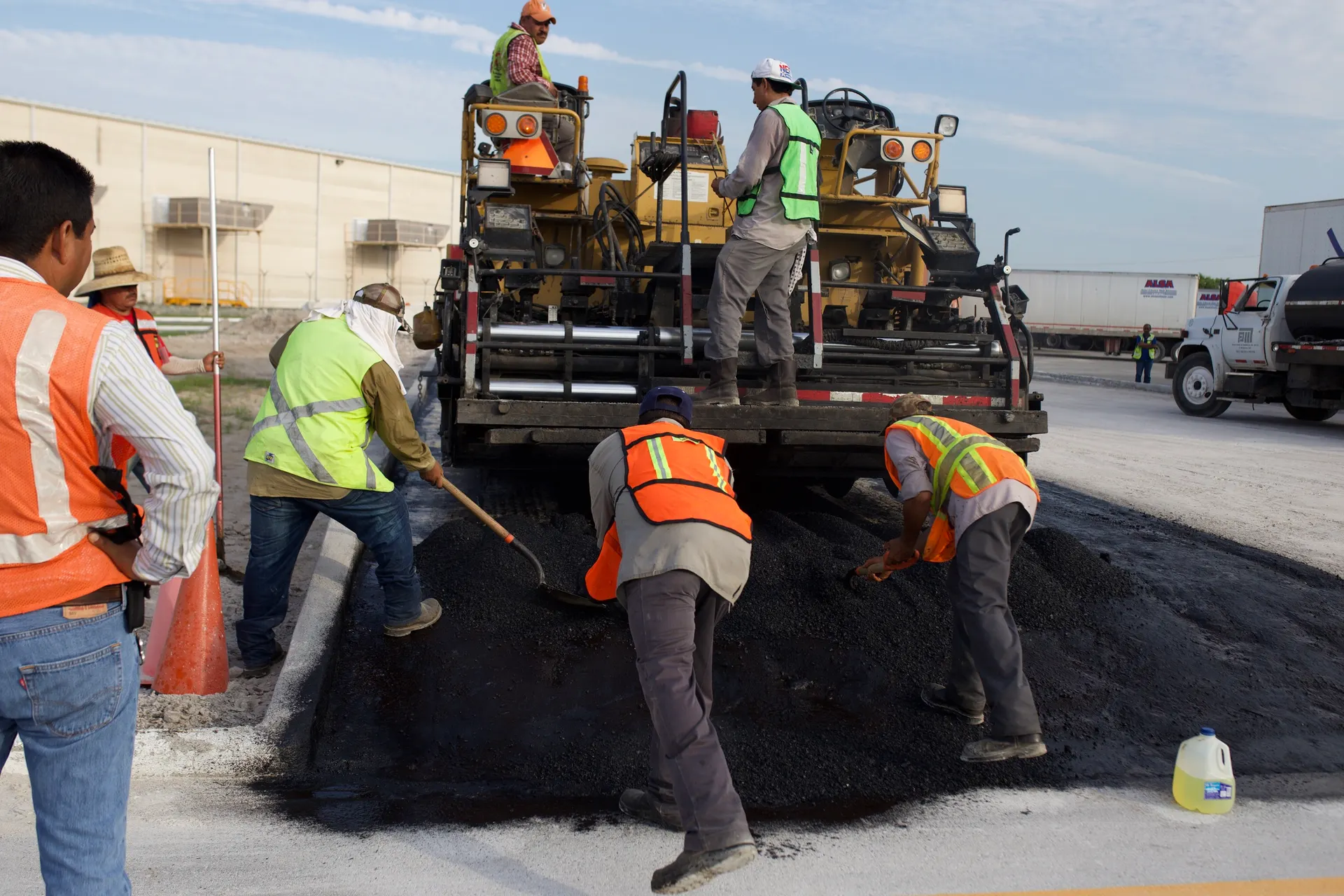
Throw-and-roll is the standard permanent fix for a single pothole: the crew cleans loose debris and standing water out of the hole, dumps heated hot-mix asphalt in, and compacts it with a roller or plate to the surrounding grade. Most single-hole jobs run $100 to $400 and take 30 minutes to 2 hours, with cost driven by depth, how much crumbled edge has to be squared off first, and how many holes are on the same call.
Throw-and-roll bonds better than cold-patch because the material is hot when it's placed, but it still leaves a seam at the hole's edge — the spot infrared repair is built to eliminate.
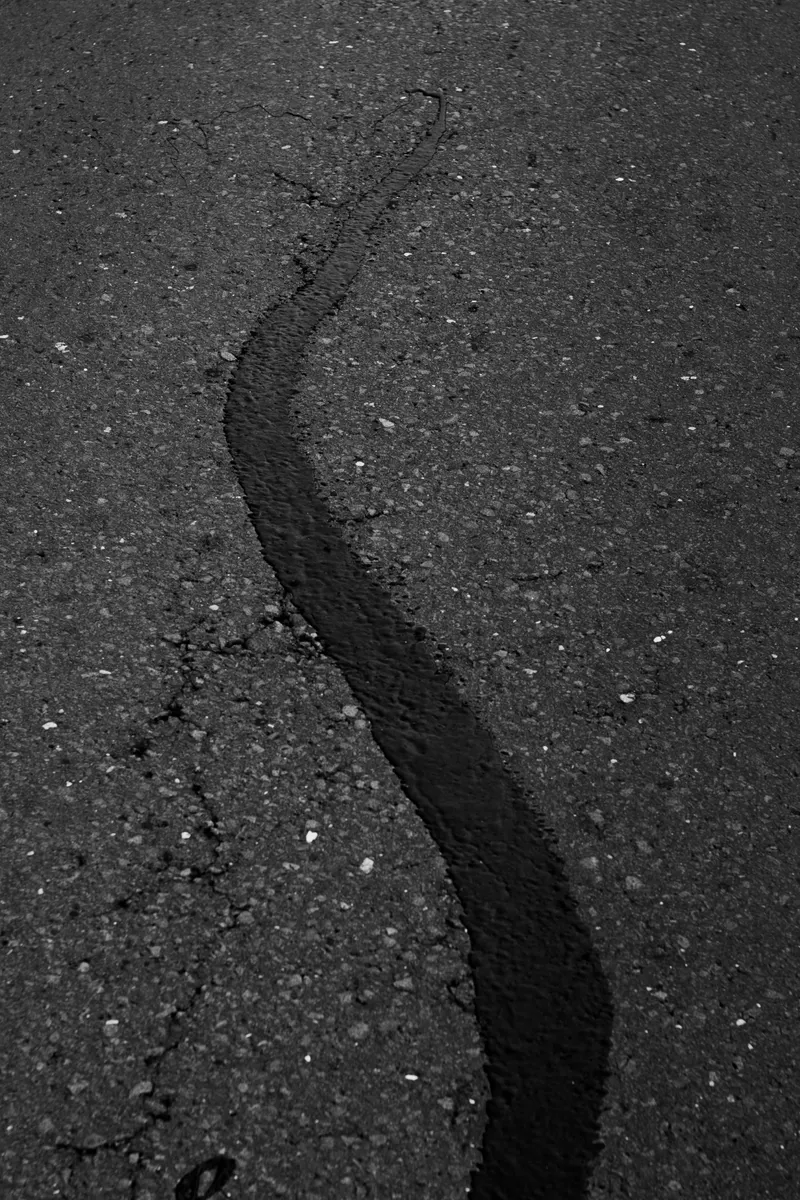
Infrared Repair: Seamless Bonding
Infrared pothole repair reheats the asphalt around the hole with radiant heat, then blends fresh hot-mix directly into that softened material and compacts it as one continuous surface instead of a patch dropped into a hole. The result welds to the surrounding pavement with no cold joint for water to work into on the next freeze-thaw cycle, which is exactly the failure point that reopens a throw-and-roll patch after a season or two.
Infrared works best on shallow-to-moderate holes with sound pavement around them; a hole with a failed base underneath still needs a full-depth cut-out instead.
The Benefits
Why Fast Pothole Repair Pays Off in Fort Worth
A pothole closed within days costs a few hundred dollars. The same hole left through a rainy month becomes a full-depth patch, a spreading cluster of failures, or a claim — and the math only moves in one direction the longer it waits.
Six Times Cheaper Than Letting It Fail
The Michigan Department of Transportation reached its target network condition for roughly $80 million in preventive maintenance versus an estimated $700 million to rebuild the same roads later once they'd failed — more than six times the cost. A $100 to $400 pothole repair today follows that same math against the $4 to $8 per square foot a full-depth cut-out runs once water has undermined the base around it.
Cuts Liability Exposure Fast
An open pothole in a retail lot's drive aisle or a driveway apron is a trip-and-fall and vehicle-damage claim waiting on the next customer or delivery driver. Property managers along Belknap Street and Beach Street call for same-day cold-patch closure specifically to get a hazard off the books before it becomes an incident report, then schedule the permanent hot-mix or infrared fix once the immediate risk is handled.
Stops One Hole From Becoming Five
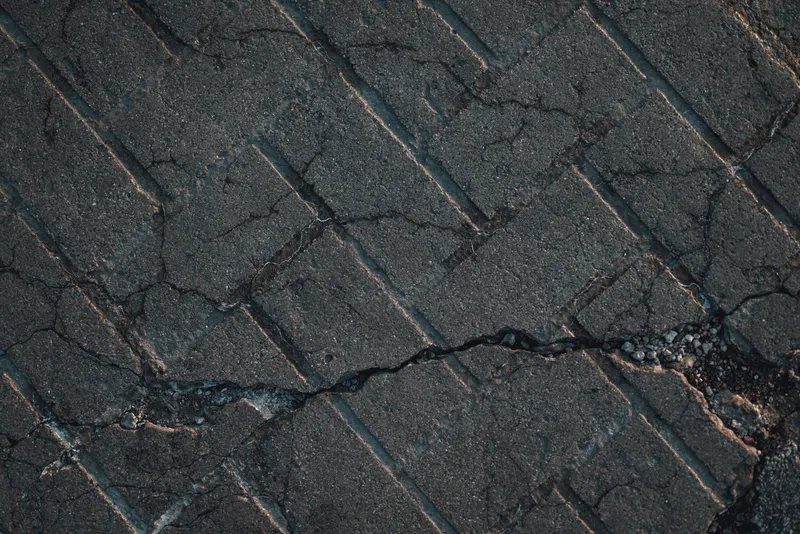
Water that gets into one pothole doesn't stay contained to it — it spreads laterally under the surrounding asphalt and works loose the pavement at the hole's edges, which is how a single fist-sized hole becomes a cluster of three or four within the same wheel path. Closing the first hole fast, rather than waiting for a quieter week, is what keeps the repair to one visit instead of a full section rebuild.
Why Us
Why Fort Worth Chooses Us for Pothole Repair
Fifteen years of matching cold-patch, hot-mix, and infrared repair to the actual damage means fewer holes that reopen by spring.
Same-Day Hazard Closure
A pothole call gets triaged the day it comes in, not scheduled for whenever a crew has a slow afternoon. Cold-patch closes the immediate hazard on a busy lot or driveway while the permanent hot-mix or infrared repair gets scheduled around weather and traffic.
We Diagnose the Base, Not Just the Hole
A hole that keeps reopening after a patch almost always means the base underneath has failed, not the surface. We flag that during the first visit instead of running the same throw-and-roll fix twice on a spot that actually needs a full-depth cut-out.
One Mobilization for Every Hole on the Lot
A commercial property manager with six potholes scattered across a lot along Davis Boulevard or Rufe Snow Drive gets one written quote and one crew visit covering every hole, priced as a single job rather than six separate mobilization fees.
A pothole that keeps coming back in the same spot usually means the base failed, not just the surface — worth a second look before another cold-patch goes down on top of it. The same North Fort Worth paving crew that closes hazard potholes across Haltom City, North Richland Hills, and Watauga also handles full-depth asphalt repair when a section needs rebuilding rather than patching, and crack filling to keep the next pothole from forming in the first place. For a commercial property with a lot full of small failures rather than one hole, parking lot paving covers the larger rebuild option too. Call (817) 207-5968 for a same-day quote.
Frequently Asked Questions
How much does pothole repair cost in Fort Worth?
A single professional pothole repair typically runs $100 to $400, with the price driven by depth, how much surrounding pavement has already crumbled, and whether the fix is a throw-and-roll patch or a full-depth cut-out. Most single-hole jobs take 30 minutes to 2 hours once a crew is on-site. Commercial lots with several holes are quoted and repaired as one job, since the crew mobilizes once and works the whole lot rather than billing per hole.
What's the difference between cold-patch and hot-mix pothole repair?
Cold-patch asphalt comes premixed and gets tamped into a hole cold, which closes a dangerous pothole the same day without waiting on plant-hot material, but it doesn't bond to the surrounding pavement as tightly as heated mix does. Hot-mix throw-and-roll uses heated asphalt compacted with a roller, bonding better and lasting longer as a permanent fix. We use cold-patch to close a hazard fast, then follow up with a permanent hot-mix or infrared repair once weather and scheduling allow it.
What is infrared pothole repair and when do you use it?
Infrared repair reheats the asphalt around a pothole with radiant heat, then blends fresh hot-mix into that softened material so the patch fuses to the surrounding surface instead of leaving a seam at the edge. It's the strongest fix for a shallow-to-moderate hole with sound pavement around it, since there's no cold joint for water to work into on the next freeze-thaw cycle — the specific weak point that lets a throw-and-roll patch pop loose after a season or two of Tarrant County's temperature swings. A hole with a failed base underneath needs a full-depth cut-out instead, since infrared can't rebuild a structural section that's already gone. We check base condition before recommending it, rather than defaulting to the more expensive method on damage that doesn't need it.
What actually causes potholes in North Fort Worth?
A pothole starts as a small crack that lets water down through the surface into the base course underneath. North Texas sits on reactive black-gumbo clay that swells when wet and shrinks hard through a dry summer, and that seasonal movement, combined with winter freeze-thaw cycles that expand trapped water, pops the pavement loose from below. By the time a hole is visible on the surface, the base underneath has usually already failed in that spot, which is why a repair that only fills the visible hole sometimes reopens within a season. Heavy delivery traffic on retail and industrial corridors accelerates the process further, since repeated truck loading flexes an already-weakened section faster than passenger-car traffic ever would.
How fast can you close a dangerous pothole?
Most single-pothole calls get a same-day cold-patch closure to eliminate the immediate hazard, especially on an active retail lot or driveway apron where the hole is a trip-and-fall or vehicle-damage risk. The permanent hot-mix or infrared repair typically follows within days, once the crew and materials line up. We prioritize hazard calls over routine maintenance work specifically because a pothole left open through even one more rain event tends to double in size. Since the crews we coordinate answer calls Open 24 Hours, a hole discovered late on a Friday night doesn't have to sit exposed through the whole weekend before it's addressed.
Do you offer pothole repair programs for commercial parking lots?
Yes — property managers along corridors like Belknap Street, Beach Street, Davis Boulevard, and Rufe Snow Drive typically have several potholes scattered across a lot rather than one isolated hole, and we quote and repair the whole lot as a single mobilization instead of pricing hole by hole. A recurring or seasonal inspection visit catches new holes forming before they widen, which keeps a delivery-heavy commercial lot from accumulating a dozen small failures between scheduled maintenance. Bundling every hole into one visit is also simply cheaper than calling for each one separately, since mobilization is the same cost whether the crew fixes one pothole or twelve.
Why do potholes seem to appear overnight after it rains?
A pothole rarely appears overnight — the base underneath has usually been failing for weeks as water worked its way down through a hairline crack, and the visible collapse just happens to coincide with the next rain event or the first heavy truck to drive over the weakened spot. Fort Worth's expansive clay subgrade accelerates this because it's already moving seasonally, so a base that's marginal in a dry month can give way fast once it saturates. That's part of why catching cracks early with routine maintenance matters as much as repairing the holes themselves.
How long does a patched pothole last before it needs redoing?
A properly placed hot-mix throw-and-roll patch typically holds for a year or more, and an infrared repair — because it fuses to the surrounding pavement instead of leaving a seam — often outlasts it further before needing attention again. How long either lasts depends heavily on whether the base underneath was sound to begin with; a patch placed over a base that's still failing will eventually reopen regardless of which method was used. We flag base condition honestly at the time of repair rather than guaranteeing a lifespan the ground underneath can't support.
Can I drive over a pothole repair right away?
Cold-patch and hot-mix throw-and-roll repairs are both compacted to grade on-site and can generally take light traffic within a couple of hours once the crew finishes rolling them, though full cure to handle sustained heavy or delivery-truck traffic runs 3 to 7 days, longer in cooler weather since asphalt placed below 50°F cures more slowly. Infrared repairs bond similarly fast on the surface but benefit from the same conservative window before heavy vehicles run over them repeatedly. We tell you the specific window for your repair at the time the crew finishes, based on the method used and the day's temperature.
Do I need a permit to have a pothole repaired on my property?
Routine pothole repair on an existing driveway or parking lot generally doesn't require a permit in Haltom City, North Richland Hills, or Watauga, since it's maintenance on a surface that's already there rather than new construction or a footprint change. Work that touches the public right-of-way — a pothole at the edge of a driveway apron where it meets the street, for example — can fall under different rules depending on which city the property sits in, since each of the three cities runs its own permitting department rather than routing through Tarrant County. We confirm what applies to your specific address before a crew shows up, so a routine repair never turns into an unexpected compliance question.
Get Your Pothole Fixed Before It Spreads
Cold-patch, hot-mix, and infrared repair. Call (817) 207-5968 — Open 24 Hours.
(817) 207-5968