Asphalt Paving · Fort Worth, TX
Crack Filling & Sealing in Fort Worth, TX
Asphalt & Paving North Fort Worth has coordinated hot-pour crack sealing, crack routing and cleaning, early-stage alligator crack treatment, and joint and seam sealing across the Mid-Cities for 15 years — call (817) 207-5968 and the crews we coordinate, answering Open 24 Hours, handle everything from routing the crack clean through the final walk-through inspection.
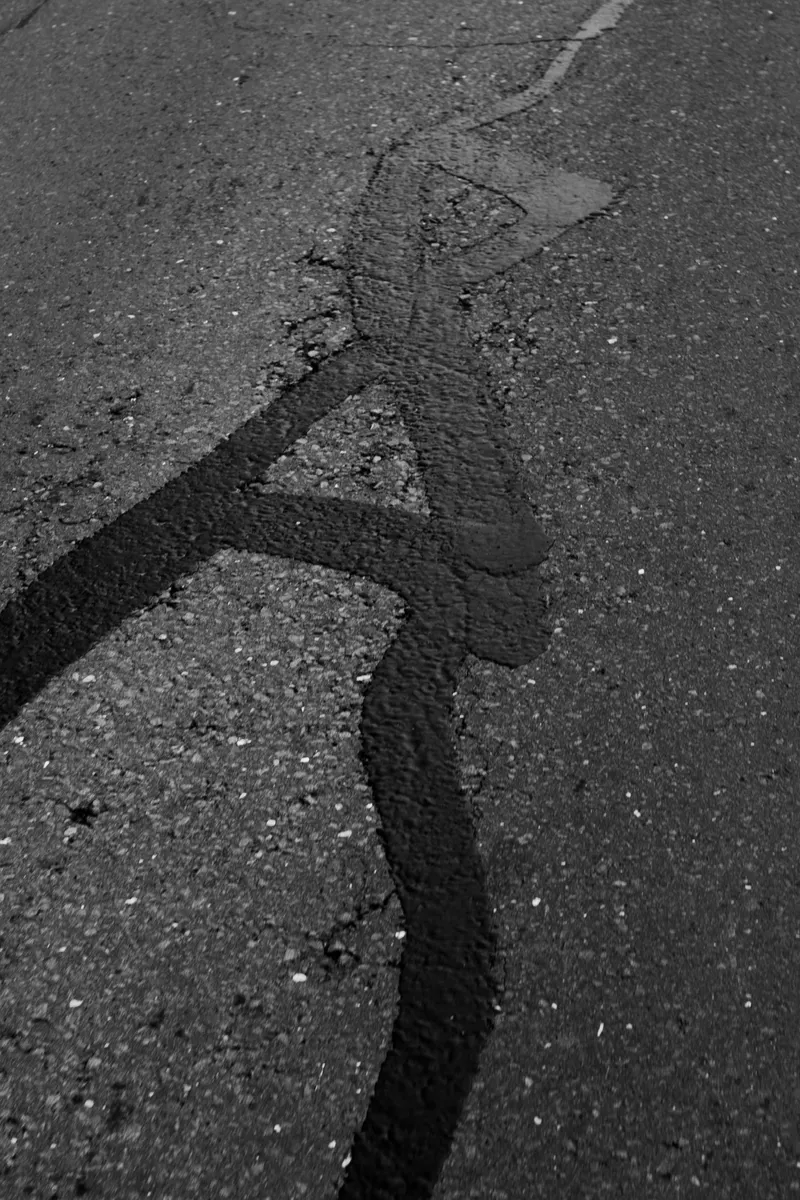
A hairline crack in North Texas asphalt is never just cosmetic — it's an open channel straight down to the reactive clay underneath. We offer a real assessment before any sealant goes down: how wide the crack is, whether it's still tight and linear or has started to spread into an interlocking pattern, and whether hot-pour rubberized sealant applied to ASTM D6690 specifications is the right call versus a section that's already past sealing.
The crews we coordinate route and clean each crack before sealing it, apply hot-pour sealant that cures for vehicle traffic within hours rather than days, and quote a flat per-linear-foot price before work starts. That kind of transparent, itemized pricing and a written one-year workmanship warranty on the treated area are standard on every job.
When Haltom City, North Richland Hills, Watauga, and Keller property owners choose us for crack filling, they're choosing the cheapest point in the pavement's life to stop a problem — before a $2-a-foot seal job turns into a saw-cut patch or a full repave.
What We Do
Our Crack Filling & Sealing Services in Fort Worth
Not every linear crack gets the same treatment — width, movement, and how far a crack has spread all change the fix. Every job starts with routing and cleaning, then the sealant or repair matched to what's actually happening underneath.
Hot-Pour Crack Sealing (ASTM D6690)
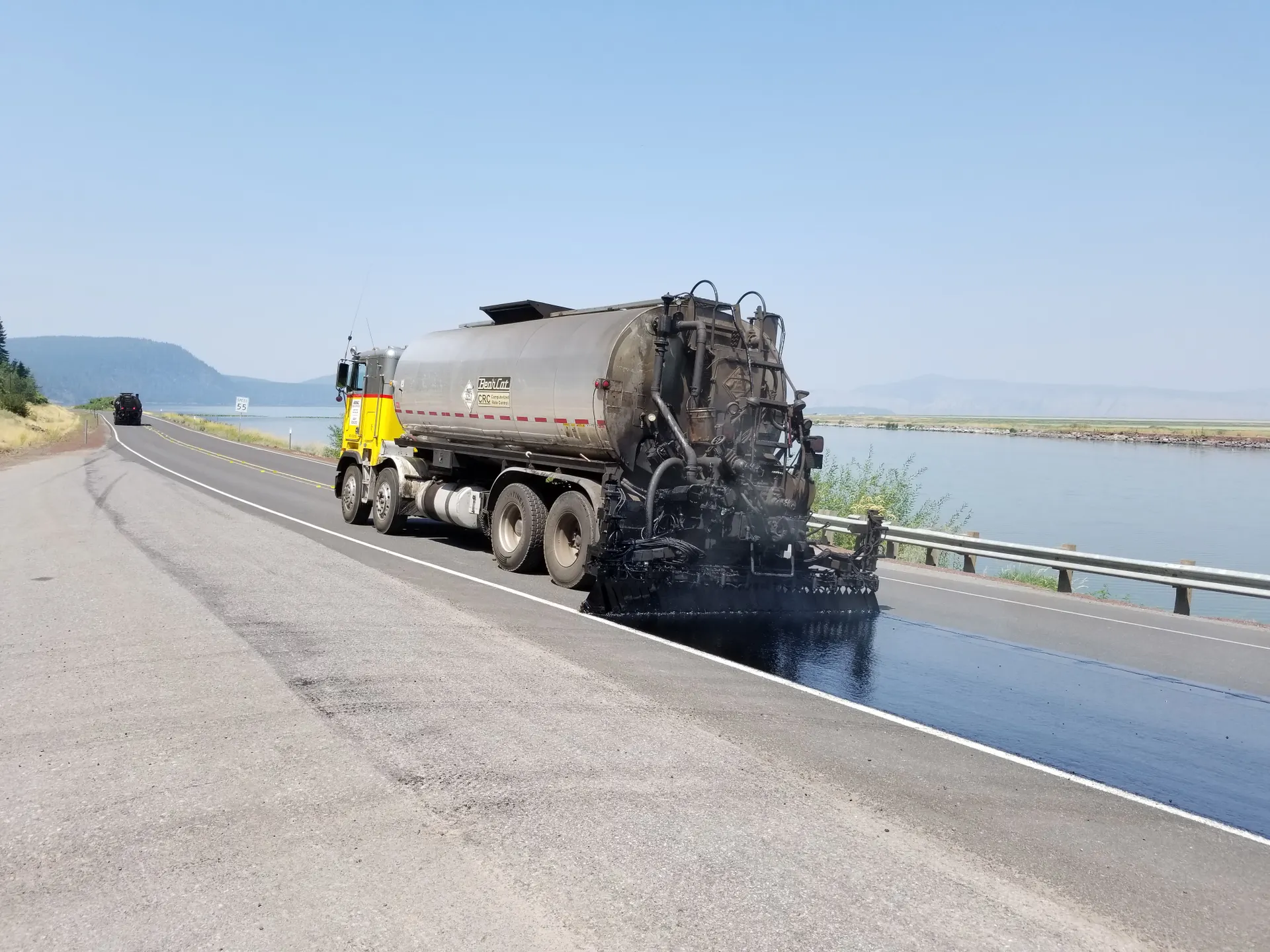
Hot-pour rubberized sealant, melted and applied per ASTM D6690 specifications, runs $0.50 to $3 per linear foot depending on crack width and total footage. It's the standard fix for tight, linear cracks in driveways and lots across Haltom City and North Richland Hills — the material stays flexible through Texas's swing between summer heat and winter cold instead of cracking again at the seam like a rigid filler would.
Most jobs cure for vehicle traffic in 2 to 6 hours, so a driveway or a section of a commercial lot isn't closed overnight for a repair this size, and a written per-linear-foot price is set before the melter ever gets fired up.
Crack Routing & Cleaning
Sealant poured over a dirty, debris-packed crack fails within a season — it never bonds to bare pavement, and the first heavy rain works right underneath it. Routing cuts a clean, uniform reservoir along the crack with a router or saw, and compressed air or a wire brush clears out dirt, grass, and loose aggregate before anything gets sealed.
That prep step is what separates a seal that holds through a Fort Worth summer from one that peels up the first time the pavement flexes underneath it, which is why it's never skipped to save time on a quote.

Alligator Crack Treatment & Joint / Seam Sealing
Early alligator, or fatigue, cracking — the interlocking pattern that shows up before pieces start shifting underfoot — can sometimes still be routed and sealed if it's caught tight and hasn't spread across the section. Once it's opened into moving pieces, that's a base failure our asphalt repair crew handles instead, not a sealing job, and we say so rather than sealing over damage that won't hold.
Joint and seam sealing covers the same principle applied to construction joints and cold-mix seams, where two separate pours meet and are the first place water finds a way into an otherwise sound section.
The Benefits
Why Crack Filling Pays Off in Fort Worth
A crack sealed while it's still tight costs a fraction of what the same crack becomes once water has been working under it for a season. The math on prevention here is not close.
A Fraction of the Cost of Waiting
Preventive pavement maintenance done at the right time runs more than six times as cost-effective as letting damage progress into rehabilitation — Michigan DOT reached its target network condition for roughly $80 million in preventive work versus an estimated $700 million to rebuild the same roads later. At driveway and lot scale, that same ratio means a $0.50-to-$3-a-foot crack seal now beats the $4-to-$8-a-square-foot full-depth patch that same crack becomes once it's let go, and it beats a $100-to-$400 pothole repair even more decisively.
Keeps Water Out of the Clay Before It Widens
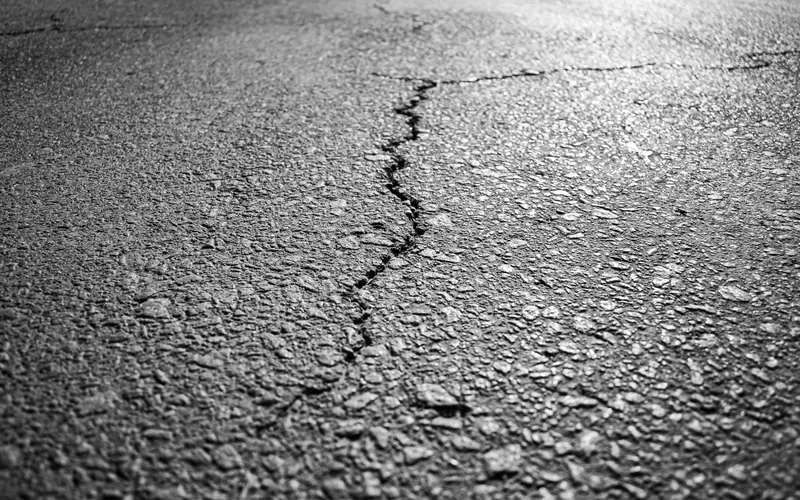
Every open linear crack in a North Texas driveway or lot is a direct line down to the reactive black-gumbo clay underneath. Once water reaches that clay, it swells unevenly and pushes the crack wider from below, turning one hairline line into a branching network by the next dry cycle. Sealing early is less about the surface looking clean and more about keeping the subgrade dry in the first place, since the surface almost never fails before the ground underneath it does.
Cures Fast, Disrupts Nothing
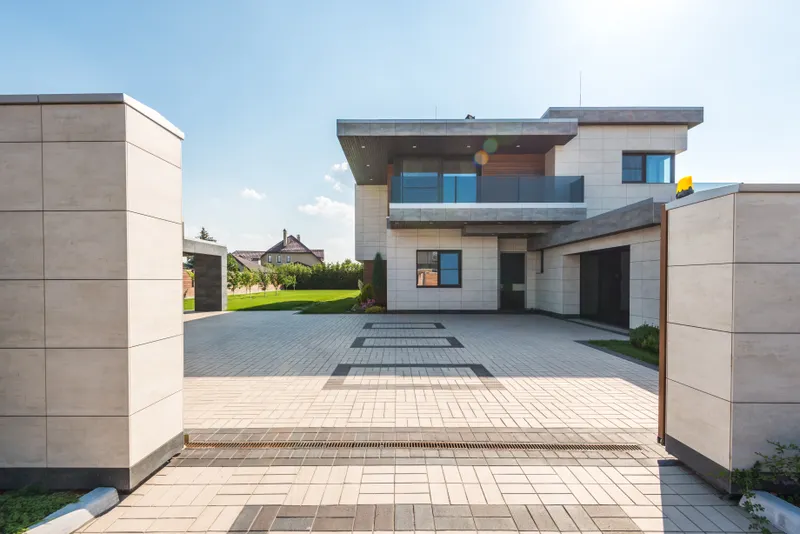
Hot-pour crack sealing cures for traffic in 2 to 6 hours, not the multi-day cure window a full-depth patch or new paving needs. A driveway gets its crack sealed and is back in use the same afternoon, and a commercial lot can usually keep sections open on either side of the work while a stretch cures, so a tenant or customer parking area is never closed longer than the job actually takes.
Why Us
Why Fort Worth Chooses Us for Crack Filling
Fifteen years of sealing the right cracks at the right stage across the Mid-Cities means fewer patches later and fewer cracks that reopen the same season.
Sealant Applied to a Real Specification
Hot-pour crack sealant here goes down to ASTM D6690 specifications, with routing and cleaning done first per the same TxDOT and Asphalt Institute guidance the crews we coordinate follow on every repair. That's the difference between a seal still flush a year later and one already peeling at the edge by the first cold snap, and it's why every job gets the same prep step whether it's a single driveway crack or a lot with hundreds of feet of it.
We Say When Sealing Isn't Enough
Not every cracked section is a sealing job. Every call starts with an honest look at whether the crack is still tight and linear or has already opened into alligatoring that needs a full repair, because quoting a $2-a-foot seal job on damage that needs a saw-cut patch just delays the real fix and costs more later once water's had another season to work under it.
Local to the Clay That Causes the Cracking
Haltom City's older residential streets, North Richland Hills' Davis Boulevard corridor, Watauga's dense subdivisions, and Keller's newer developments all sit on the same swelling black-gumbo clay, but they crack on different timelines depending on drainage and slab age. Knowing which blocks move fastest means catching a crack while it's still a $0.50-a-foot fix instead of a $400 pothole a season later.
A linear crack is the cheapest problem your driveway or lot will ever have — it only gets more expensive from here. The same North Fort Worth paving crew that routes and seals cracks across Haltom City, North Richland Hills, Watauga, and Keller also handles the jobs a crack becomes once it's ignored, from pothole repair to full sealcoating programs, so call (817) 207-5968 and we'll tell you honestly which stage yours is at.
Frequently Asked Questions
How much does crack filling cost in Fort Worth?
Hot-pour crack sealing typically runs $0.50 to $3 per linear foot, with the price driven mostly by crack width, total footage, and how much routing and cleaning the crack needs before sealant goes down. A short run of hairline cracks on a residential driveway might total under $100, while a commercial lot with hundreds of linear feet of cracking is quoted as one job since mobilization is the same regardless of footage. We give a flat, itemized number before any work starts rather than a range that grows on invoice day.
How long does hot-pour crack sealing take to cure?
Most hot-pour crack sealing jobs cure for regular vehicle traffic within 2 to 6 hours, which is far faster than the 3-to-7-day cure window a full-depth patch or new asphalt needs. A driveway sealed in the morning is typically usable again by early afternoon, and a section of a commercial lot can reopen the same day once the sealant has set. Cooler temperatures slow the cure slightly, so we flag the exact window on the day of the job.
What's the difference between crack filling and crack sealing?
In practice on residential and commercial pavement, the two terms describe the same hot-pour rubberized sealant applied to ASTM D6690 specifications after the crack is routed and cleaned — 'filling' and 'sealing' are used somewhat interchangeably by contractors and homeowners alike. The more meaningful distinction is prep: sealant poured into a dirty, unrouted crack fails within a season because it never bonds to bare pavement, while a properly routed and cleaned crack holds up through a full range of North Texas temperature swings. We route and clean every crack before sealing it, regardless of which term gets used to describe the job.
Can crack filling fix alligator cracking?
Only at the earliest stage. Alligator, or fatigue, cracking is the interlocking, reptile-skin pattern that shows up once a section of pavement has flexed past its structural limit under repeated load, and it's fundamentally a base problem, not a surface one. If it's caught while it's still tight and hasn't started shifting underfoot, routing and sealing can slow it down and keep water out while the base holds. Once pieces are moving or the pattern has spread across a section, that area needs a full-depth repair through our asphalt repair service rather than a seal job that won't hold.
How often do cracks need to be resealed?
There's no fixed calendar interval — how long a seal holds depends on how much the pavement continues to move underneath it, and reactive clay subgrade moves more than stable ground does. We inspect existing sealant during routine visits and reseal specific sections based on visible wear or reopening rather than pushing a blanket schedule regardless of condition. Most treated cracks carry roughly a one-year workmanship warranty on the sealed area, and catching a reopened crack early keeps the fix at the same $0.50-to-$3-a-foot price point.
What causes so much crack filling to be needed on North Texas driveways and lots?
Haltom City, North Richland Hills, Watauga, and Keller all sit on high-plasticity black-gumbo clay, weathered from the Eagle Ford and Woodbine formations, with clay content that regularly exceeds 50%. That clay swells several inches when saturated and shrinks hard through a dry Texas summer, and the seasonal movement transfers straight up through the base into whatever's paved on top as a crack. Add intense UV exposure that oxidizes and stiffens the asphalt binder, plus the occasional freeze-thaw cycle that pries an existing crack a little wider, and linear cracking here is close to constant rather than occasional.
What is joint and seam sealing, and do I need it?
Joint and seam sealing treats the line where two separate asphalt pours meet — a construction joint, a cold-mix patch seam, or the edge where an addition ties into an original driveway or lot. Those joints are structurally weaker than the surrounding pavement and are usually the first place a crack opens, since the two sections cure and move slightly differently over time. If your driveway or lot has a visible seam from a past expansion or patch, sealing it the same way as a linear crack keeps water from working into that weak point.
Do I need a permit for crack filling in Haltom City, North Richland Hills, or Watauga?
No. Crack filling and sealing is routine maintenance on pavement that's already there, not new construction or a change to the footprint, so it doesn't trigger a permitting process in any of the cities we serve. Haltom City, North Richland Hills, and Watauga each run separate permitting departments rather than routing through Tarrant County, but none of them require a permit for maintenance work like routing and sealing an existing crack. We confirm there's nothing site-specific before starting, but crack sealing itself is not a permitted activity.
What's the best time of year to have cracks sealed in Fort Worth?
Hot-pour crack sealant bonds best in moderate temperatures, so spring and fall are the easiest scheduling windows, though the work is routine here through most of the year outside a hard freeze. Summer sealing still happens regularly — it's simply timed to avoid the peak-afternoon pavement surface temperature so the sealant sets evenly instead of flashing. The main thing avoided is sealing right before a heavy rain, since the sealant needs its full cure window before water can be allowed to sit on it.
Will sealing a crack stop a pothole from forming there?
Sealing a crack early is one of the most effective ways to prevent the pothole it would otherwise become, since most potholes start as an unsealed crack that let water reach the base and freeze-thaw or traffic loading finished the job. Once a pothole has actually opened, sealing no longer applies — that's a repair, not maintenance, and it's covered on our pothole repair page instead. The window where a $0.50-to-$3-a-foot seal job prevents a $100-to-$400 pothole repair is exactly why catching cracks early matters.
Seal the Crack Before It Spreads
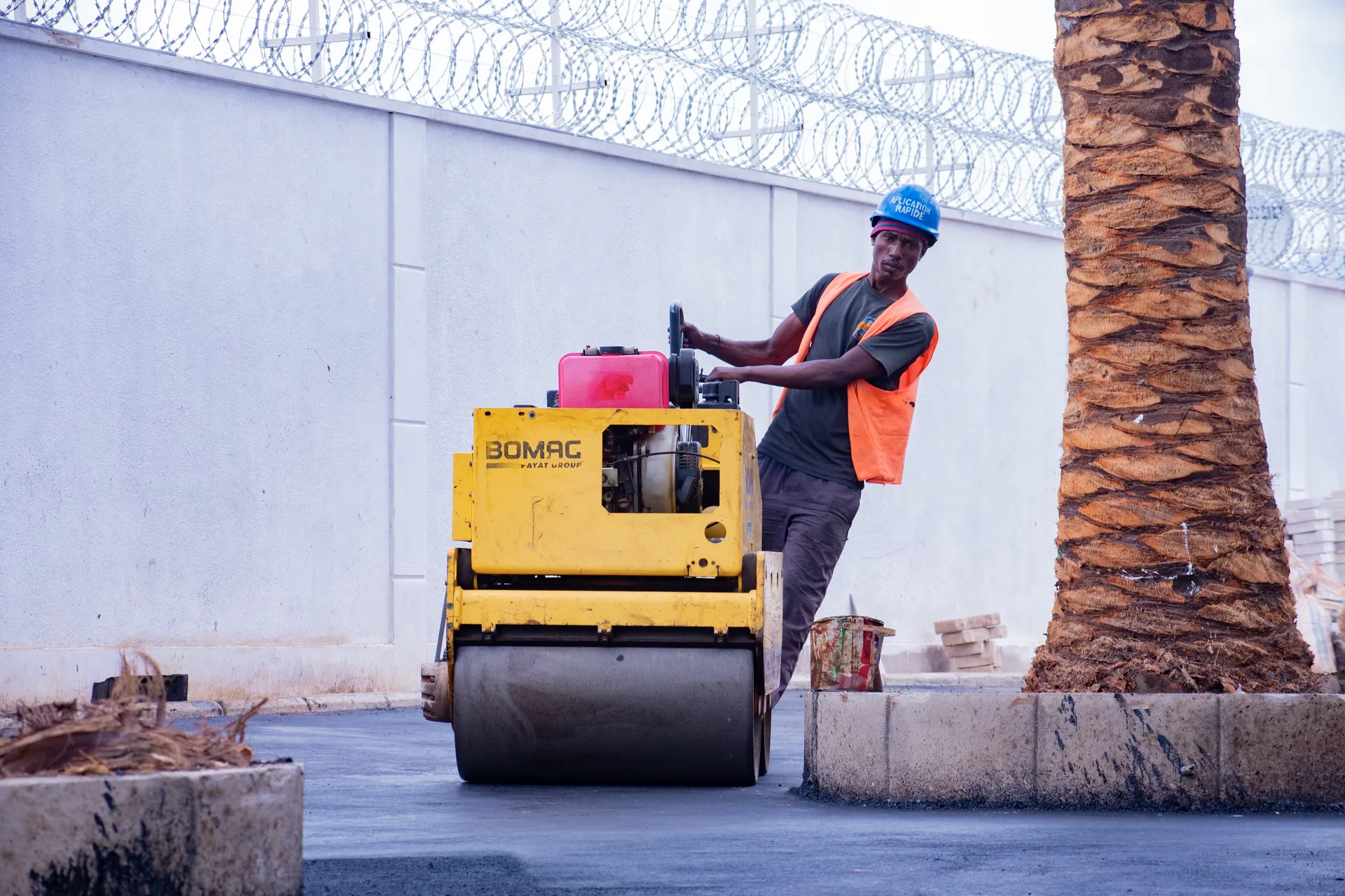
Hot-pour crack sealing, quoted by the linear foot. Call (817) 207-5968 today.
(817) 207-5968