Asphalt Paving · Fort Worth, TX
Asphalt Milling in Fort Worth, TX
Asphalt & Paving North Fort Worth has coordinated asphalt milling across Haltom City, North Richland Hills, Watauga, and Keller for 15 years — full-depth milling, surface and profile milling, and the edge-and-transition work that ties a fresh cut cleanly into curbs, garage aprons, and adjacent pavement. Call (817) 207-5968 and most milling scopes get a written quote within a day of the site visit.
Milling isn't the finish — it's the step that makes a clean asphalt resurfacing job possible instead of stacking new asphalt straight on top of the old. On the black-gumbo clay under Haltom City, North Richland Hills, and Watauga, a driveway or lot that's already settling unevenly can't just absorb another 1 to 2 inches on top; milling cuts the oxidized wearing course out first so the new mat lands at the same elevation as curbs, thresholds, and storm inlets instead of raising the whole surface above them.
Milling machines cut a measured depth and profile in a single pass, and a typical driveway or commercial lot mills out in 0.5 to 2 days at $0.30 to $1.50 per square foot. Every scope is priced before the machine mobilizes to the site — never a number that changes once the cut starts.
When Haltom City, North Richland Hills, and Watauga property owners choose milling ahead of an overlay, they're choosing the step a lot of cut-rate crews skip entirely — the one that keeps drainage, curb reveal, and pavement thresholds correct for the life of the new surface, not just the first season.
What We Do
Our Asphalt Milling Services in Fort Worth
Milling isn't one cut — full-depth removal, surface profiling, and edge work each solve a different problem before new asphalt goes down. Here's how the coordinated crews scope each type across Haltom City, North Richland Hills, and Watauga.
Full-Depth Milling
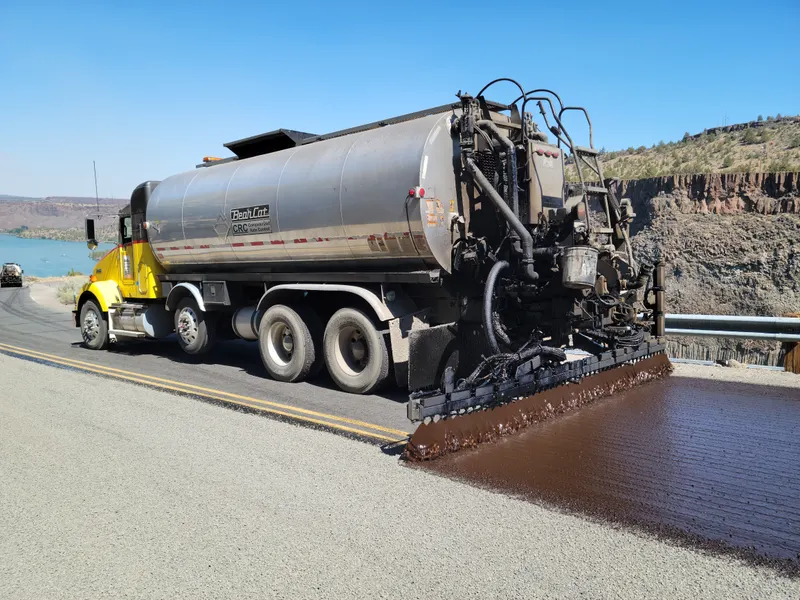
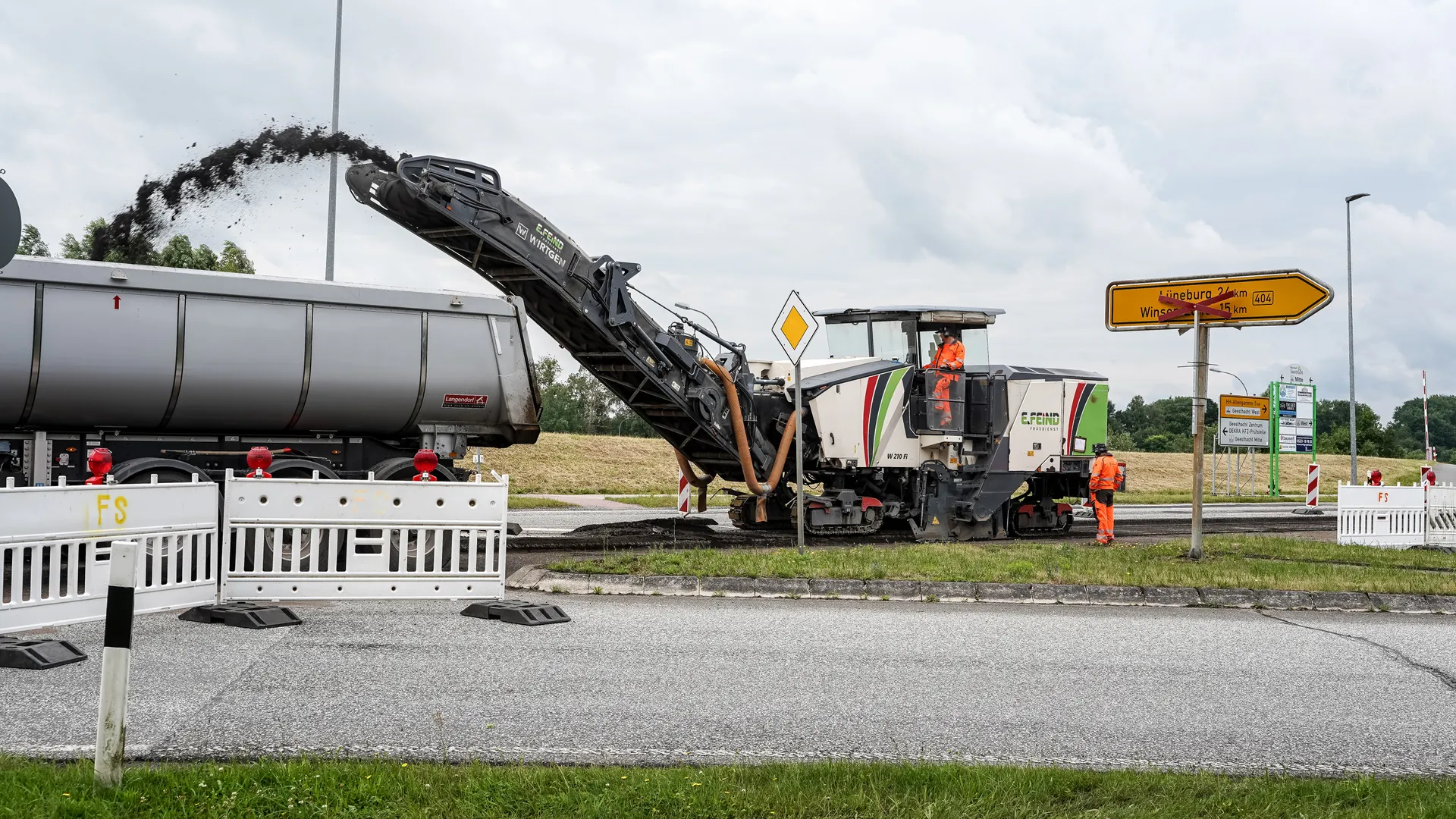
Full-depth milling removes the entire asphalt wearing course — sometimes several inches — down to the aggregate base when a surface has failed all the way through rather than just at the top. Wirtgen and Roadtec milling machines cut this in a single controlled pass, pulling out alligator-cracked or badly rutted pavement that a thin overlay would only bury for a season before it reflected straight back through.
On Tarrant County's expansive clay, a base that's been moving under a failed surface usually needs this deeper cut before full asphalt paving rebuilds the structural section — milling first confirms exactly how far the damage runs before any new material goes down.
Surface / Profile Milling
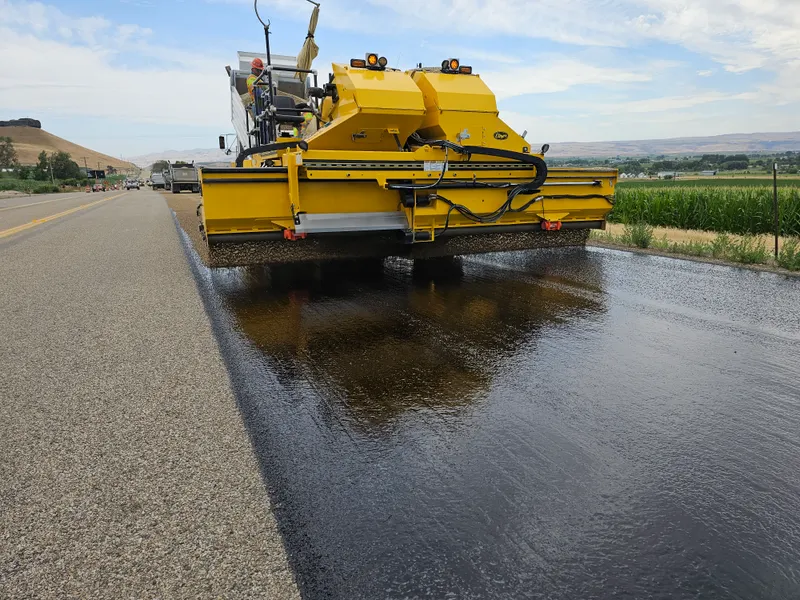
Surface milling — sometimes called profile milling — cuts only the top 1 to 2 inches, removing the UV-oxidized, rutted layer while leaving a sound base and structural section untouched. It's the standard prep cut ahead of a mill-and-overlay: the milling drum resets the surface to a true, even profile so the new wearing course goes down at consistent thickness instead of following every old rut and low spot.
That consistent profile is what keeps compaction density even across the new mat, which matters most on commercial lots along Belknap Street and Beach Street carrying daily delivery and retail traffic.
Edge & Transition Milling
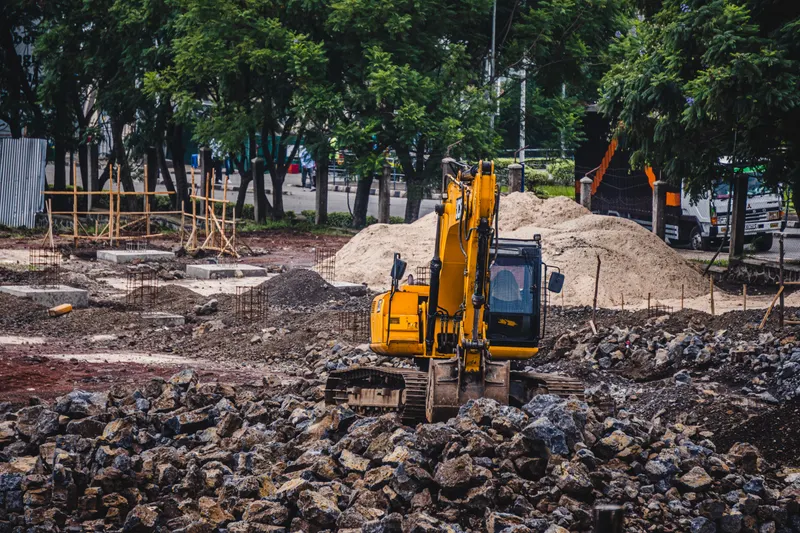
Edge and transition milling feathers the cut down to nothing at every point where new asphalt has to meet something that isn't being repaved — a curb, a garage apron, a storm grate, or the adjacent lane of an existing street. Skip it, and an overlay builds a lip at every one of those tie-ins instead of a flush transition.
On commercial sites along Davis Boulevard and Rufe Snow Drive, that transition also has to clear ADA-accessible stall thresholds and drive-aisle grades correctly, which is checked and cut before the new mat ever goes down.
The Benefits
Milling Benefits Before an Asphalt Overlay
Milling adds a step and a cost line most homeowners don't expect to see quoted — here's what that step actually buys, beyond just a cleaner-looking cut.

Keeps Curb Reveal and Drainage Correct
Pave straight over an old surface without milling and every overlay adds height — eventually burying curb reveal, raising a driveway above the garage slab, or tilting a lot's drainage slope enough to pond water at a low tie-in. On expansive clay, standing water at that low point is what starts the next round of heaving.
Milling first removes exactly as much material as the new mat will add, so the final grade lands where it started instead of climbing a little higher with every resurfacing cycle.
The Removed Asphalt Gets Recycled, Not Landfilled
Asphalt is America's most recycled product, reclaimed and reused at a higher rate than paper, glass, aluminum, or plastic. The industry put 101.4 million tons of reclaimed asphalt pavement back into use during the 2024 construction season alone, at a reclamation rate near 100% — and recycling that RAP instead of using all-virgin material saved taxpayers an estimated $4.7 billion that same season.
Every driveway or lot milled here feeds that same recycling stream rather than going to a landfill, since milled material is routinely reprocessed back into new asphalt mix.
Costs a Fraction of a Full-Depth Rebuild
Milling runs $0.30 to $1.50 per square foot, a fraction of the $4 to $8 per square foot that full-depth removal and replacement costs on the same footprint. As the prep step ahead of an overlay priced at $1.50 to $4.50 per square foot, milling still lands well under half the cost of tearing a lot out and rebuilding it.
For a mid-size Haltom City or North Richland Hills commercial lot, that gap is easily tens of thousands of dollars — which is why milling gets checked as an option before a straight tear-out ever gets quoted.
Why Us
Why Fort Worth Chooses Us for Asphalt Milling
Fifteen years of matching North Texas pavement to the right cut means milling only gets recommended when the surface actually needs it.
Machines Matched to the Cut
The crews coordinated here run Wirtgen and Roadtec milling machines for full-depth and profile cuts, and LeeBoy equipment for finish paving once the milled surface is ready. That range means a driveway-scale profile mill and a full-depth commercial cut both get the right drum width and cutting depth instead of one machine forced to do both jobs.
Local Enough to Know Which Corridors Are Due
The retail and industrial lots along Belknap Street and Beach Street in Haltom City, and the Davis Boulevard and Rufe Snow Drive corridors through North Richland Hills and Watauga, carry the heaviest daily traffic in the Mid-Cities — and they show rutting and surface oxidation on roughly the same timeline. That pattern recognition means less guesswork about how deep a given lot actually needs to be cut.
We Say No to Milling When It Isn't Needed
Milling adds a line item to the quote, so some crews sell it on every job whether the surface calls for it or not. A driveway with light oxidation and no rutting usually doesn't need it — that's covered under a no-mill asphalt resurfacing overlay instead, and we say so upfront rather than padding the scope.
Not sure whether your driveway or lot needs a milled cut or a straight overlay? Asphalt resurfacing covers the no-mill option, and asphalt paving covers a full rebuild when the base itself has failed. Commercial lots ready for new striping after a mill-and-overlay move to parking lot paving next, and the same crew network covers milling across North Richland Hills and the rest of the Mid-Cities.
Frequently Asked Questions
What is asphalt milling, and how is it different from resurfacing?
Milling is the removal step — a rotating-drum machine cuts and grinds off a measured depth of the existing asphalt surface, from 1 to 2 inches for a profile cut up to full-depth removal on a failed section. Resurfacing is what happens after: a new wearing course goes down over the milled surface, which is what the asphalt resurfacing page covers in full. Milling alone, without a new overlay following it, is sometimes done just to correct a failing surface before a different fix, but on most driveways and lots it's the prep step for a mill-and-overlay.
How much does asphalt milling cost in Fort Worth?
Milling runs $0.30 to $1.50 per square foot, priced by depth of cut, square footage, and how much edge and transition feathering the job needs around curbs, aprons, and drain inlets. A shallow surface-profile mill on a residential driveway lands toward the low end of that range; a full-depth commercial cut with heavy edge work costs more per square foot. It's quoted as part of the overlay scope after an on-site look at the surface, not as a standalone phone estimate.
How long does milling take, and how much does it add to the schedule?
A typical driveway or commercial lot mills out in 0.5 to 2 days, depending on square footage and depth of cut. On a full mill-and-overlay job that runs 1 to 3 days total, milling is usually the first half of the schedule, with paving and compaction following once the milled surface is swept and tack-coated. It adds time compared to a no-mill overlay, but on a surface that actually needs it, skipping the cut costs more time later when the overlay fails early.
Why mill the old surface instead of just paving a new overlay on top of it?
Paving straight over an existing surface adds height with every layer — eventually raising the driveway above the garage slab, burying curb reveal, or tilting a parking lot's drainage slope enough to pond water at a low tie-in point. On the black-gumbo clay under Haltom City, North Richland Hills, and Watauga, standing water at that low spot is what starts the next round of heaving and cracking. Milling removes roughly as much material as the new mat adds, so the finished grade lands back where it started rather than climbing a little higher with each resurfacing cycle.
What's the difference between full-depth milling and surface or profile milling?
Surface or profile milling cuts only the top 1 to 2 inches — the oxidized, rutted wearing course — while leaving a sound base and structural section untouched underneath, which is the standard prep cut ahead of an overlay. Full-depth milling removes the entire asphalt layer, sometimes several inches, down to the aggregate base, and is used when a surface has failed all the way through with deep alligator cracking rather than just at the top. The right call comes from checking the base first; milling deeper than the damage actually runs just adds cost without adding benefit.
Does milling matter for edges, curbs, and driveway or lot transitions?
Yes — edge and transition milling feathers the cut down to nothing at every point where new asphalt meets something that isn't being repaved: a curb line, a garage apron, a storm grate, or an adjacent street lane. Skip that feathered edge and an overlay builds a lip at every tie-in instead of a flush transition, which on a commercial lot can also create an ADA-accessible-route compliance problem at stall thresholds. It's a small part of the total milled area but the part most likely to cause a callback if it's rushed.
What happens to the asphalt that gets milled off?
Milled asphalt is reclaimed asphalt pavement, or RAP, and it's one of the most recycled construction materials in the country — the industry put 101.4 million tons of it back into use during the 2024 construction season alone, at a reclamation rate near 100%. Recycling RAP instead of producing all-virgin mix saved taxpayers an estimated $4.7 billion that same season nationwide. Material milled off a Haltom City driveway or a North Richland Hills parking lot routinely goes back into a plant's mix design rather than a landfill.
Can milling fix potholes, alligator cracking, or a rutted lot on its own?
Milling removes the damaged surface, but it isn't a standalone fix — it's the prep step before a new wearing course goes back down as part of a mill-and-overlay. Isolated potholes or a small cracked section are usually a better fit for asphalt repair rather than milling an entire lot to fix a localized problem. Widespread rutting or oxidation across a driveway or commercial lot, on the other hand, is exactly what surface milling ahead of an overlay is built to correct.
Do I need a permit for milling and repaving in Haltom City, North Richland Hills, or Watauga?
All three cities issue driveway and paving permits through their own building departments rather than through Tarrant County, and milling that's followed by an overlay within the existing footprint is generally treated the same as a resurfacing permit rather than new construction. Requirements still vary by city and by whether the work extends into the public right-of-way, where drainage and approach rules can trigger a separate review. We confirm the specific requirement with the correct department before the milling machine shows up rather than assuming it matches the last job, so a same-day mill-and-fill doesn't stall on a compliance question.
When does a job NOT need milling before resurfacing?
A surface with light-to-moderate oxidation, minimal rutting, and no significant elevation concerns at curbs or aprons can usually go straight to a thin overlay without milling first — that no-mill approach is covered in detail on the asphalt resurfacing page. Milling earns its cost when there's measurable rutting, a raised-grade concern at tie-ins, or oxidation deep enough that a new overlay would just crack along the same lines within a season. We check the surface on-site before recommending the milled version over the faster, lower-cost no-mill overlay.
Get an Asphalt Milling Quote Today
Full-depth, surface, and edge milling — quoted after we check what the surface actually needs. Call (817) 207-5968.
(817) 207-5968