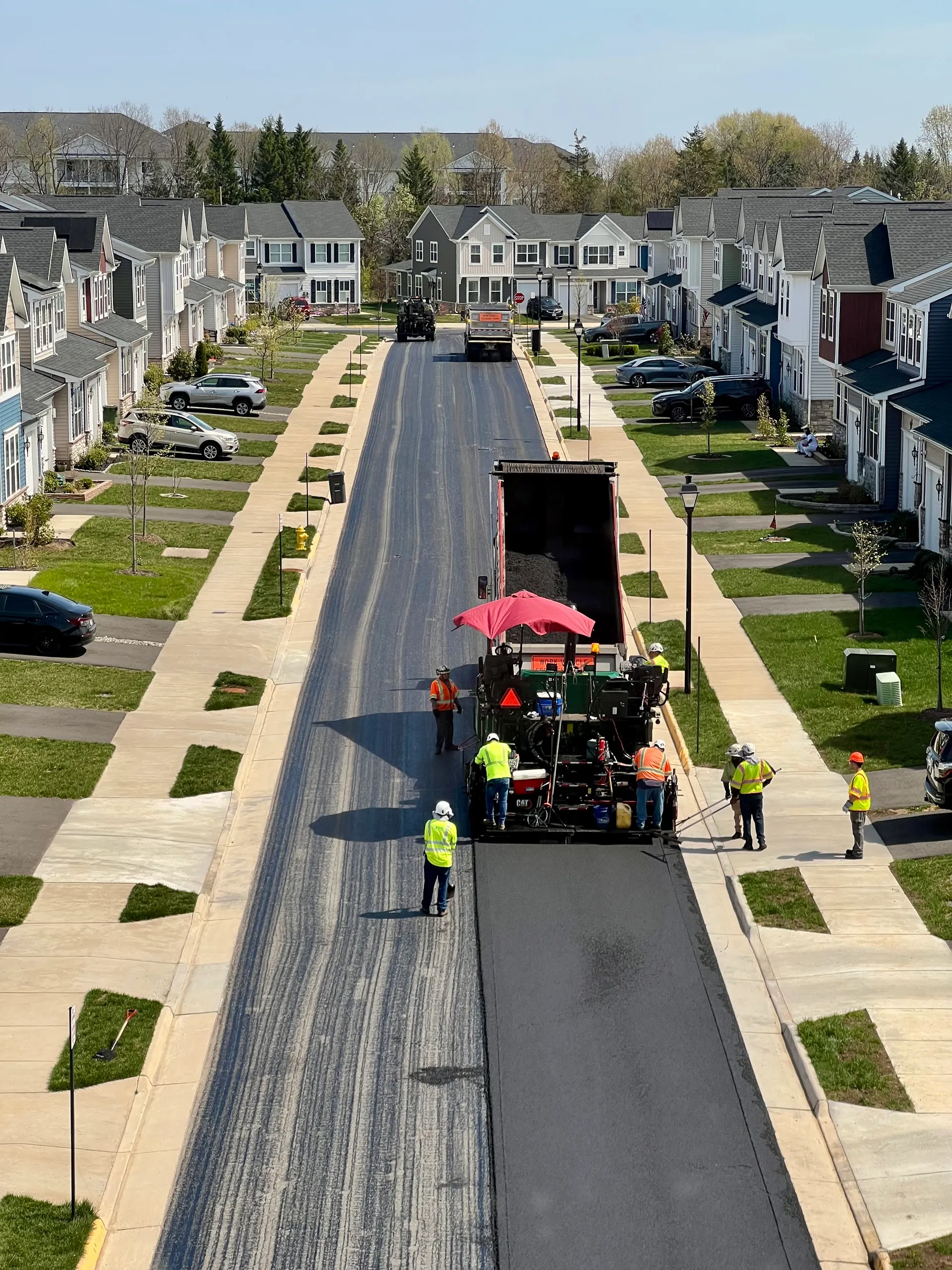
Asphalt Paving · Fort Worth, TX
Driveway Paving in Fort Worth, TX
Asphalt & Paving North Fort Worth puts homeowners first on driveway paving — new installs, widening and extensions, full removal and replacement, and gravel-to-asphalt conversions, coordinated across Haltom City, North Richland Hills, and Watauga for 15 years. A driveway job runs start to finish under one crew: grading, base compaction, hot-mix asphalt, then a final walk-through before anyone signs off.
A driveway is the first surface a guest, a delivery driver, or a buyer's agent actually walks across, and a cracked or gravel drive undercuts curb appeal before anyone reaches the front door. We offer a free on-site consultation to assess square footage, slope toward the garage or street, and how the driveway will be used — daily sedans, a work truck, or an RV parked overnight — before recommending a structural section and layout.
Most residential driveways finish in 1 to 2 days on site, with the crew asking homeowners to keep vehicles off the new surface for 3 to 7 days while it cures. Every job gets a written, itemized quote before equipment shows up, so the number on the invoice matches the number agreed to at the consultation.
When North Fort Worth homeowners choose us for driveway paving, they're choosing a crew that treats a residential drive with the same base-prep discipline as a commercial lot — the difference between a driveway still solid at year fifteen and one heaving by year three.
What We Do
Our Driveway Paving Services in Fort Worth
Not every driveway job is a blank-lot install. Here's how new construction, widening, replacement, and gravel conversions each get scoped for a North Fort Worth home.
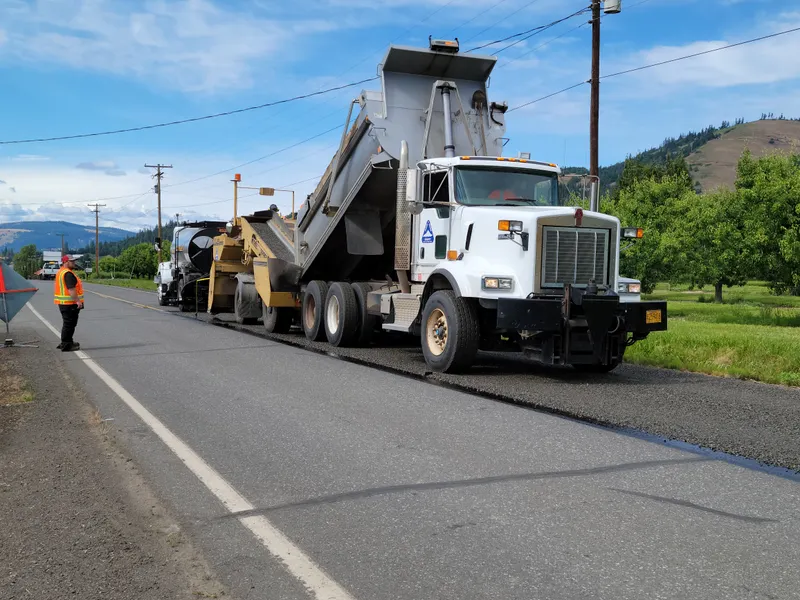
New Residential Driveway Installation
A new asphalt driveway typically runs $3,000 to $10,000 installed, or $3 to $15 per square foot, depending on length, width, and how much grading the site needs before paving starts. The sequence stays the same on every job: excavate and grade to shed water toward the street, compact an aggregate base course, then lay and roll hot-mix asphalt to the thickness a household's daily traffic actually calls for.
Most single-family jobs wrap in 1 to 2 days, with the crew scheduling around the forecast since asphalt placed below 50°F cures more slowly and rain during placement interferes with compaction before the mix sets.
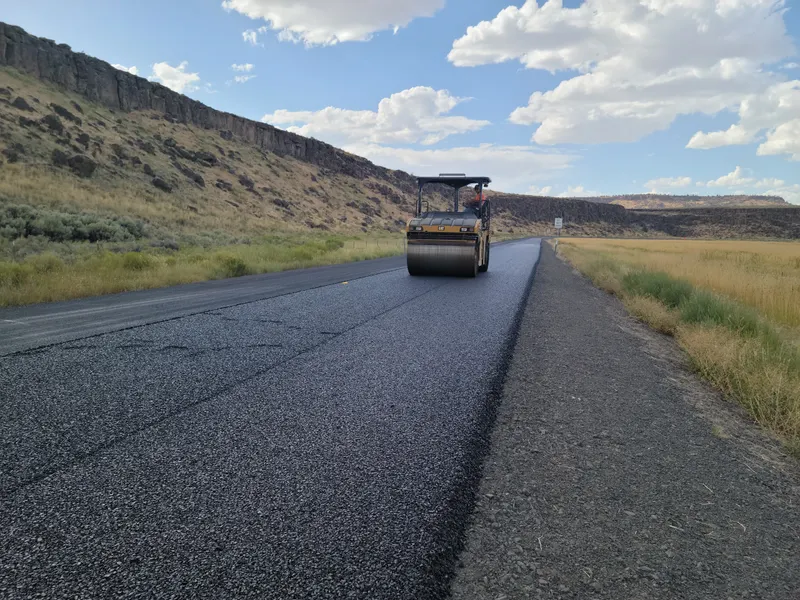
Driveway Widening & Extension
A single-car driveway built decades ago rarely fits a two-vehicle household, let alone a work truck and a trailer parked side by side. Widening ties new asphalt into the existing edge at a matched grade and thickness, while an extension — a parking pad off to the side, or added length for an RV or boat — gets its own base course rather than a thin skin poured over compacted dirt.
Either job needs the new section's subgrade compacted to the same standard as the original driveway, or the addition settles and cracks along the seam within a season or two. The tie-in seam itself gets extra attention — a clean saw-cut edge and a tack coat between old and new asphalt keeps that joint from becoming the first place water works its way down to the clay underneath.
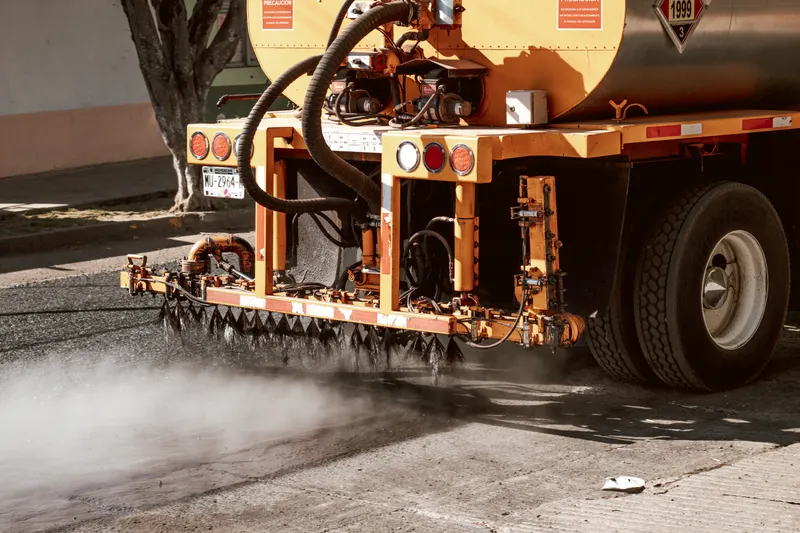
Driveway Removal & Gravel-to-Asphalt Conversion
A driveway that's cracked through to the base, or a gravel drive that's rutted and tracking mud into the garage, gets torn out rather than paved over. Full removal takes the old surface and, where needed, the failed subgrade down to sound ground before rebuilding with a proper aggregate base and full-depth hot-mix asphalt.
Gravel-to-asphalt conversions follow the same rebuild logic — gravel alone was never a structural base, so the crew grades, compacts, and bases the footprint from scratch rather than paving directly over loose stone. Old gravel and any buried debris get hauled off before excavation starts, since paving over a rock-and-dirt mix that's compacted unevenly just repeats the same rutting problem underneath the new surface.
The Benefits
Driveway Paving Benefits for North Fort Worth Homeowners
A new asphalt driveway does more than replace cracked pavement or bare gravel — it changes how a home looks from the street and how it holds up underneath.
Curb Appeal That Shows the Day It's Poured
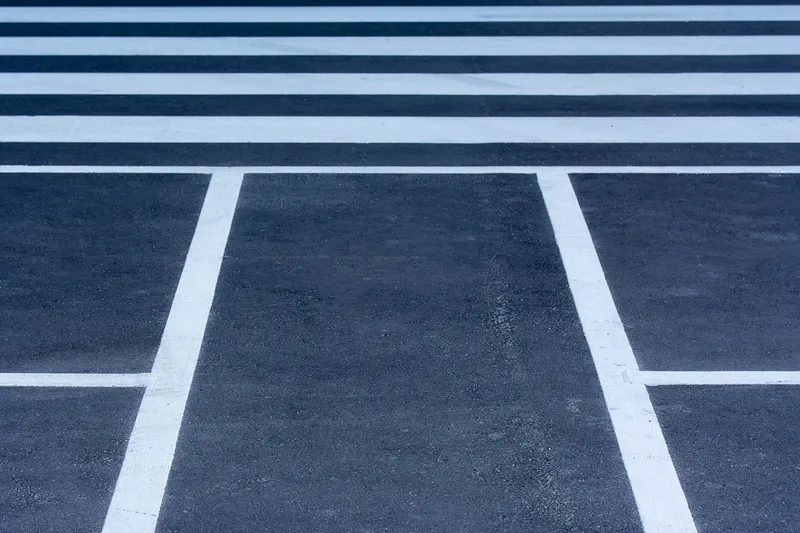
Fresh blacktop reads as a maintained, cared-for property the moment a car turns into the driveway, which matters whether the goal is enjoying the house longer or listing it next year. A straight-edged, evenly graded drive also makes a small front yard in an older Haltom City neighborhood look intentional instead of accidental, without touching the landscaping around it.
Built for North Texas Clay, Not Just Poured Over It
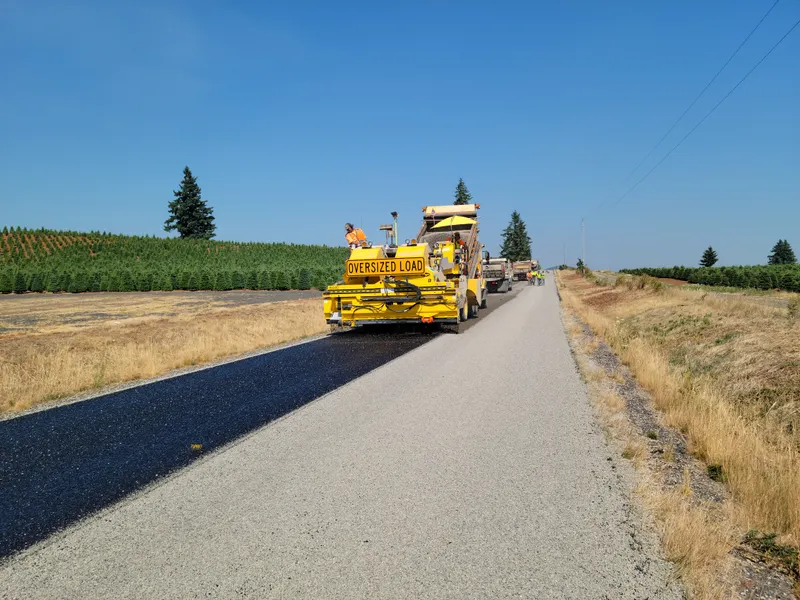
Haltom City, North Richland Hills, and Watauga sit on high-plasticity black gumbo clay that swells and shrinks seasonally by several inches. A properly compacted aggregate base gives a new driveway a structural layer that flexes with that movement instead of heaving with it, which is the real reason two driveways paved the same week can age completely differently a decade later.
Lower Cost Per Year Than Concrete or Gravel Upkeep
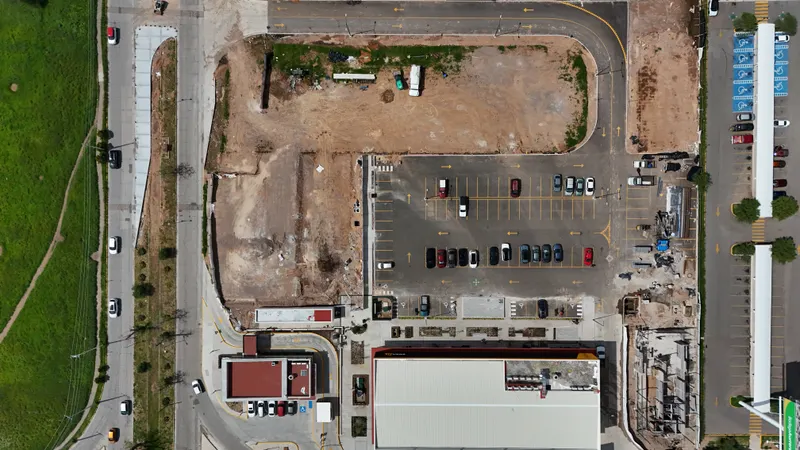
Asphalt installs faster and costs less upfront than a concrete driveway, and unlike gravel it doesn't need re-grading or fresh stone after every hard rain. When a section does need attention down the road, patching and resurfacing are routine repairs rather than replacing a cracked concrete slab, which keeps the driveway's cost per year of service lower over time. A homeowner budgeting for the long haul spends on a $400-to-$800 sealcoat every few years rather than a full slab replacement every time a section fails.
Why Us
Why North Fort Worth Homeowners Choose Us for Driveway Paving
Fifteen years of residential driveway work across the Mid-Cities means fewer surprises once the crew is on-site.
One Written Quote, No Invoice Surprises
Every driveway job gets a fixed, itemized quote after the on-site walk-through, covering demolition, base, and asphalt as one number agreed to before equipment arrives. That's the standard whether the job is a straightforward 400-square-foot install or a full removal and gravel conversion with extra excavation.
We Know Which Cities Permit Separately
Haltom City, North Richland Hills, and Watauga each run their own building department and driveway-approach permitting rather than routing through Tarrant County, and a home along Belknap Street or Beach Street can fall under different approach rules than one a few blocks over in Keller. We confirm what applies to the specific address before scheduling, so a homeowner never finds out mid-job.
Comfortable on Older Housing Stock
A lot of the residential driveways we repave sit on 1950s-through-1970s lots where the original slab or gravel pad was never built to a modern structural section. Rebuilding those from the subgrade up, rather than skinning new asphalt over an undersized base, is routine work here, not an unusual request — including the narrow single-lane drives common in that era that need widening before a second vehicle fits comfortably.
A driveway job is usually the fastest way to see what real base prep does for asphalt that lasts, since it's a smaller footprint where cutting corners on the subgrade shows up within a season instead of years later. The same North Fort Worth paving crew behind residential driveways also handles asphalt paving for private roads and lots, asphalt repair once cracks or potholes show up, and driveway sealcoating once a new surface has finished its cure — serving homeowners in Haltom City, North Richland Hills, and Watauga alike. Call (817) 207-5968 for a written quote.
Frequently Asked Questions
How much does it cost to pave a residential driveway in Fort Worth?
A new asphalt driveway typically runs $3,000 to $10,000 installed, or roughly $3 to $15 per square foot, with the exact number driven by length, width, and how much grading or base repair the site needs before paving. A straightforward, already-graded driveway lands toward the lower end of that range, while one needing significant excavation on expansive Tarrant County clay runs higher. We quote a fixed, itemized price after an on-site walk-through rather than a phone estimate.
How long does it take to pave a driveway, and when can I park on it?
Most residential driveway installs finish in 1 to 2 days on site, covering grading, base compaction, and hot-mix asphalt placement. Plan on keeping vehicles off the new surface for 3 to 7 days while it cures, longer if the asphalt went down when temperatures were below 50°F, since cold slows the cure noticeably. Light foot traffic is generally fine within 24 to 72 hours once the surface has cooled.
Can you widen my existing driveway instead of replacing the whole thing?
Yes — widening ties new asphalt into the existing driveway's edge, matching grade and thickness so the two sections read as one continuous surface rather than a patched-on addition. The new strip still needs its own compacted aggregate base underneath, since tying into the old edge without proper base prep is the most common reason a widened section cracks along the seam within a year or two. It's usually far less disruptive and less expensive than tearing out and repaving the entire driveway, and most single-side widening jobs on a standard residential lot finish within a single day once the site is graded.
Is it better to pave over my gravel driveway or tear it out first?
Gravel alone was never engineered as a structural base, so paving directly over it just buries an unstable foundation under new asphalt that will settle unevenly within a season. A proper gravel-to-asphalt conversion grades the footprint, compacts a real aggregate base course, and then paves full-depth hot-mix asphalt on top of that — the same sequence used for any new driveway. It costs more upfront than a quick skim-coat, but it's the version that actually holds up.
Do I need a permit to pave a new driveway in Haltom City, North Richland Hills, or Watauga?
It depends on the city, since Haltom City, North Richland Hills, and Watauga each run their own building or permitting department rather than routing driveway-approach approvals through Tarrant County. Whether a permit is needed can also depend on if the new driveway connects to a city street, a county road, or changes an existing approach width. We confirm the exact requirement for the specific address before scheduling, so a homeowner never gets caught mid-project without the right paperwork.
Why do driveways crack faster in North Fort Worth than in other parts of the metro?
Haltom City, North Richland Hills, and Watauga sit on high-plasticity black gumbo clay weathered from the Eagle Ford and Woodbine formations, with clay content that regularly exceeds 50 percent. That clay swells several inches when it's wet and shrinks hard through a dry Texas summer, and a driveway without a properly compacted base transmits every bit of that seasonal movement straight up through the asphalt as cracking or heaving. Correct excavation, grading, and base compaction before paving is what keeps a driveway from following the ground's movement.
Should I choose asphalt or concrete for a new driveway?
Asphalt generally costs less to install than concrete and cures faster — a driveway can usually take light traffic within a few days rather than the week or more concrete needs to cure properly. Asphalt also tends to flex with the seasonal ground movement common on North Texas clay, where concrete slabs are more prone to visible cracking that requires cutting out and replacing an entire section. Concrete can last longer between major repairs, but asphalt patching and resurfacing down the road are routine, lower-cost jobs by comparison.
Can you remove my old cracked driveway and repave it?
Yes — full removal and replacement is the right call once a driveway is cracked through to the base, badly rutted, or sitting on a subgrade that's already failed from clay movement, since paving over that kind of damage just buries the same problem under new asphalt. The old surface and any compromised base material come out, the subgrade gets re-graded and compacted, and the driveway is rebuilt with a proper aggregate base and full-depth hot-mix asphalt. Full-depth removal and rebuild work runs $4 to $8 per square foot on top of the new paving cost, depending on how much of the old base has to come out.
How wide or long can a residential driveway be extended?
There's no single answer — it depends on the lot's setback lines, how close the extension runs to a property line, and whether the added footprint needs its own city approval in Haltom City, North Richland Hills, or Watauga. A common request is extra width for a second vehicle or a work truck, or extra length for an RV or boat parked off to the side, and either gets scoped during the on-site consultation against the lot's actual dimensions. We flag any setback or permitting issue before quoting the job, not after the base is already excavated.
What's included in a driveway paving quote?
A written quote covers the full scope agreed to on-site: any demolition or gravel removal needed, excavation and grading, aggregate base compaction, and hot-mix asphalt placed and rolled to the correct thickness for a residential driveway. It's a fixed, itemized number rather than a range that grows once the crew shows up, and it states the cure window before vehicles should use the new surface. Extras like widening, an RV pad, or extra base depth for poor drainage are priced as part of that same quote, not tacked on afterward, and the quote also notes which North Fort Worth city's permitting rules apply before any equipment is scheduled.
Get Your Driveway Paved Right
New installs, widening, replacement, and gravel conversions. Call (817) 207-5968 for a written quote.
(817) 207-5968