Asphalt Paving · Fort Worth, TX
Grading & Excavation in Fort Worth, TX
Asphalt & Paving North Fort Worth has coordinated grading and excavation work across Haltom City, North Richland Hills, Watauga, and Keller for 15 years — site grading, excavation and removal, drainage grading and slope correction, and subgrade stabilization, all before a single ton of asphalt ever gets ordered. Calls come in 24 hours a day, and most sites get walked within a day of that call.
A driveway or lot is only as good as the ground underneath it, and on North Tarrant County's reactive clay, that ground decides everything. Skip proper grading and compaction and even brand-new asphalt heaves, cracks, and ponds water within a season or two — the base failed, not the pavement. We scope site grading, excavation, and subgrade stabilization as standalone work, whether it precedes a paving job we're also handling or gets contracted separately ahead of someone else's pour.
Site grading and excavation typically runs 1 to 3 days on an accessible lot, and base and subgrade prep adds another 0.5 to 2 days once the site is cut to grade. Compaction gets tested to ASTM D698/D1557 Proctor standards before anything else moves forward, and every scope comes back as one written number rather than a range that changes once equipment is on-site.
When Mid-Cities property owners bring us in for grading and excavation, they're buying the step every failed driveway or ponding parking lot skipped the first time — a subgrade that's cut, sloped, and compacted correctly before anything gets paved on top of it, built to hold for decades instead of one hard North Texas summer.
What We Do
Our Grading & Excavation Services in Fort Worth
Grading and excavation covers four distinct scopes — site prep, removal, drainage correction, and subgrade stabilization — and each gets evaluated and priced separately, since a driveway regrade and a commercial pad cut call for different equipment.
Site Grading & Excavation
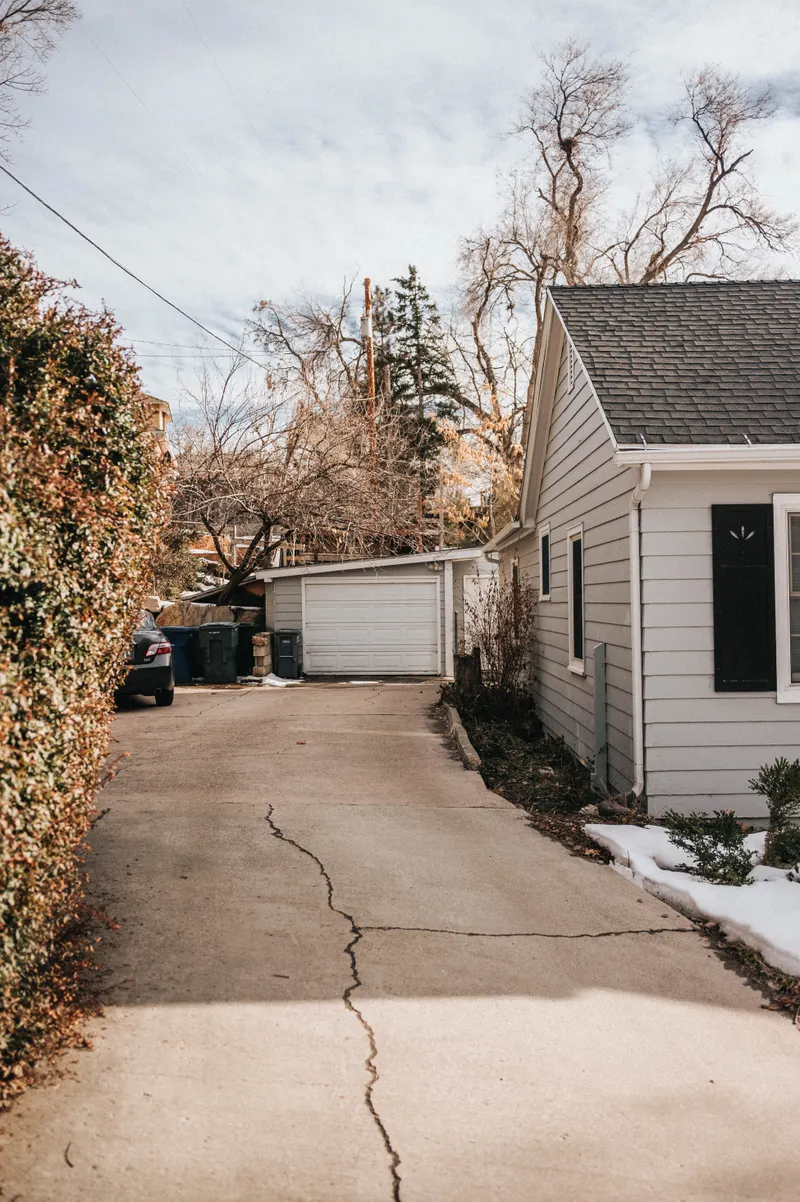
Site grading and excavation typically takes 1 to 3 days on an accessible residential or commercial lot, cutting and shaping the ground to the elevations a driveway, private road, or parking lot actually needs before any base material shows up. Excavation and removal clears old asphalt, concrete, tree stumps, or unsuitable fill down to a workable subgrade.
On Tarrant County's high-plasticity clay, that cut has to account for seasonal swell and shrinkage, not just today's contours — grading to the wrong elevation now means regrading later once the clay moves.
Drainage Grading & Slope Correction
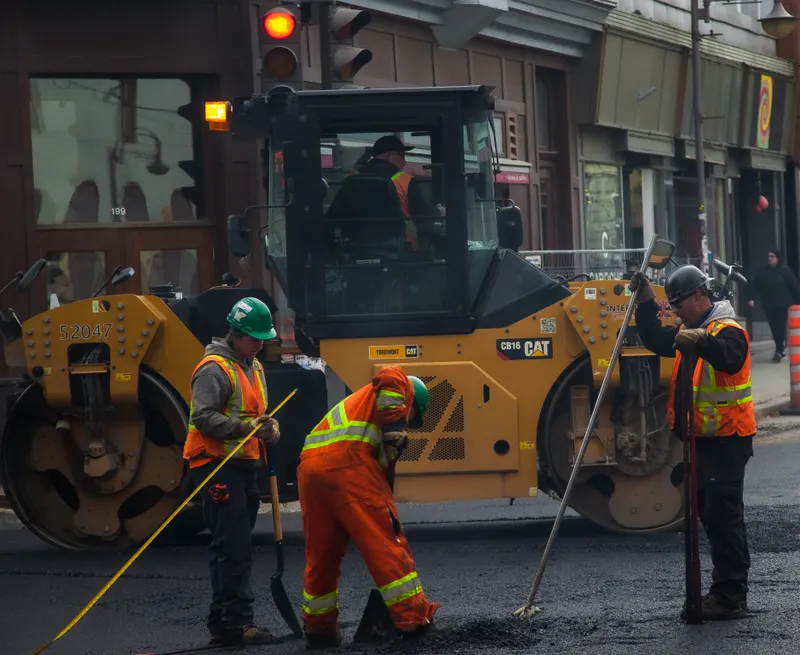
Water sitting against a foundation, pooling in a low corner of a lot, or sheeting toward a neighbor's property is almost always a slope problem, not a paving problem. We regrade to daylight — moving water off the site to a point where it can drain naturally — and set cross-slope on driveways and lots so surface water sheds toward an inlet or swale instead of collecting.
Correcting slope before paving is far cheaper than tearing out asphalt that's already trapping water against the subgrade.
Subgrade Stabilization
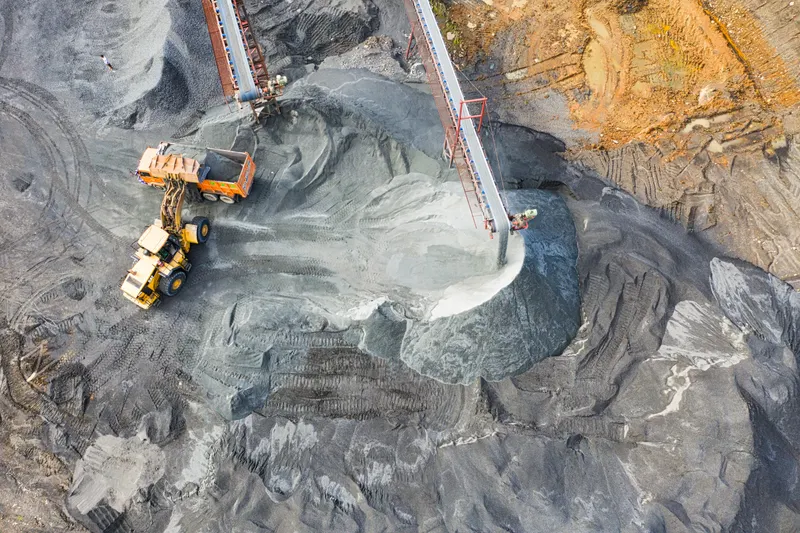
Subgrade stabilization is the step that decides whether new pavement lasts 15 years or starts cracking in year two on expansive clay. Once the site is cut to grade, an aggregate base course gets placed and compacted in lifts, with density tested to ASTM D698 and D1557 Proctor standards before the job is called finished.
Unstable subgrade sometimes needs lime or cement treatment, or extra excavation to reach a solid layer — decided on-site, not guessed at from a drive-by.
The Benefits
Grading & Excavation Benefits in Fort Worth
Getting the ground right before anything gets paved is what separates a driveway or lot that holds for decades from one that's back on the repair list within a year or two.
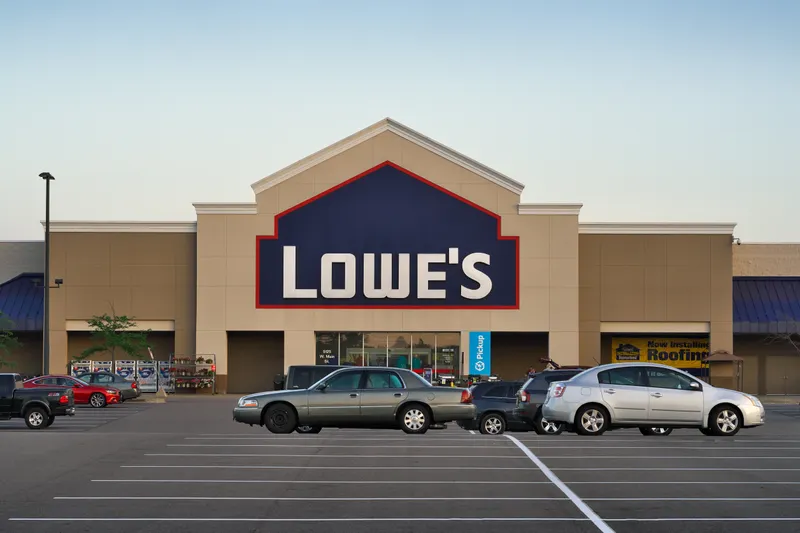
Protects Every Dollar Spent on Paving
Every dollar spent on paving sits on top of whatever grading and compaction came before it, so getting the subgrade right protects the larger investment rather than undermining it. A lot graded and compacted to spec before paving avoids the far more expensive fix — tearing out failed asphalt to correct a subgrade problem that should have been caught during site prep. It's the cheapest step in the whole project relative to what skipping it costs later.
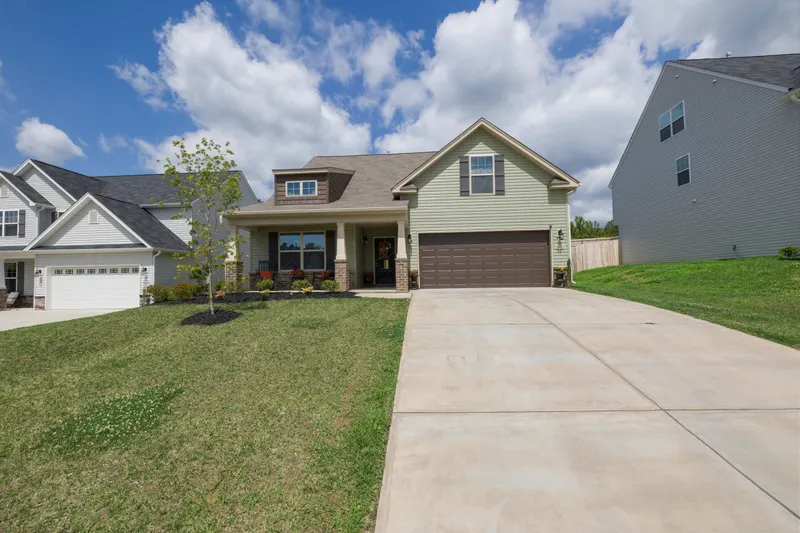
Correct Drainage Protects More Than Pavement
Correct drainage grading does more than protect pavement — it keeps standing water away from foundations, crawl spaces, and low-lying yards that flood every time North Texas gets a hard rain. Porous asphalt paired with proper site grading can infiltrate up to 80% of stormwater runoff, and permeable systems remove roughly 60% to 85% of undissolved nutrients and up to 95% of sediment, a real option worth discussing on commercial sites managing retention requirements.
Built to Flex With the Clay, Not Fight It
Subgrade stabilization is the difference between pavement that flexes with Tarrant County's seasonal clay movement and pavement that fights it and loses. A properly compacted aggregate base gives whatever gets paved on top — asphalt, concrete, or gravel — a stable structural layer instead of raw, reactive clay a few inches down. That structural integrity is what lets a driveway or lot hold its shape through a wet spring and a bone-dry August instead of heaving and cracking.
Why Us
Why Fort Worth Chooses Us for Grading & Excavation
Fifteen years of grading North Texas's toughest soil means the ground gets built right before a single load of base material arrives.
Density-Tested, Not Eyeballed
Site grading and excavation work here follows ASTM D698 and D1557 Proctor compaction testing rather than a visual check, because a soft spot in a compacted lift is invisible until the pavement on top of it starts failing. Every scope — cut depth, base course thickness, compaction target — gets written down before equipment mobilizes, so there's no guessing what "grading" actually included once the job is done.
Scoped for Tarrant County Clay, Not Generic Soil
Grading a lot in Haltom City or North Richland Hills means grading for clay that swells wet and shrinks dry, not the stable soil most national grading guides assume. Watauga alone packs roughly 23,650 residents into just 4.16 square miles, and that density means tight lot lines with little margin for error on slope — get the grade wrong and water has nowhere else to go but a neighbor's yard or a foundation.
Regraded to Today's Standards, Not the Original Developer's
North Richland Hills grew from 63,343 residents in 2010 to 69,917 by 2020, with subdivision waves stretching from the 1970s through the 2000s — meaning a lot of the grading and drainage work out there was done to decades-old standards that don't hold up on today's rainfall patterns or a modern paving job. Every regrade gets scoped against current conditions, not whatever the original developer laid out fifty years ago.
Grading and excavation is the step that comes before every paving job on this site — see how it feeds into new asphalt paving or a full parking lot paving build once the site is graded and compacted. For the complete list of what gets coordinated across Haltom City, North Richland Hills, and Watauga, see our services — it's the same North Fort Worth paving crew network behind every job on this page.
Frequently Asked Questions
How much does site grading and excavation cost in Fort Worth?
Grading and excavation is priced per site rather than as a flat rate, since square footage, cut depth, and how much material needs to be hauled off all change the number. It's one of the biggest swing factors in an overall paving quote — a lot that's already close to grade costs far less to prep than one needing 12 inches or more of cut and fill. We evaluate slope, drainage, and existing conditions on-site before quoting a fixed number rather than estimating grading work over the phone. Jobs bundled with a full paving project usually cost less overall than scoping grading and paving separately with two different contractors.
How long does site grading and excavation take?
Most residential and small commercial sites take 1 to 3 days for grading and excavation, assuming reasonable equipment access and no unexpected obstructions like buried utilities or old foundations. Base and subgrade preparation — placing and compacting the aggregate base course — adds another 0.5 to 2 days once the site is cut to the correct elevation. Larger commercial sites or lots needing significant fill take longer, and weather adds delay since compaction doesn't hold up well on saturated clay. We give a duration estimate as part of the written scope, not a guess pulled from square footage alone.
What's the difference between grading and excavation?
Grading is reshaping the existing ground to the correct slope and elevation, using cut-and-fill to move soil that's already on-site into the right contours. Excavation is removing material entirely — old asphalt, concrete, tree stumps, unsuitable fill, or excess soil that has to be hauled off the property rather than reused. Most jobs need both: excavation to get down to a workable subgrade, then grading to set the final slope before base material goes down. Treating them as separate line items in the quote is how you avoid paying for equipment mobilization twice.
Why does subgrade stabilization matter so much on North Texas soil?
Haltom City, North Richland Hills, and Watauga all sit on high-plasticity 'black gumbo' clay weathered from the Eagle Ford and Woodbine formations, with clay content that frequently exceeds 50%. That clay swells when saturated and shrinks hard through a dry Texas summer, moving several inches seasonally regardless of what's built on top of it. Subgrade stabilization — compacting an aggregate base to ASTM D698/D1557 Proctor density, and treating with lime or cement where the clay is especially reactive — gives pavement a structural layer that flexes with that movement instead of cracking with it. Skipping this step is the single most common reason new pavement fails within a season or two out here.
Can grading fix a driveway or lot that already floods or pools water?
In most cases, yes — standing water is almost always a slope problem, and regrading to correct cross-slope or add drainage grading to daylight solves it without a full pavement replacement. We assess where water is actually coming from and where it needs to go, then cut or fill to move it there rather than just patching the symptom. Porous asphalt is also worth discussing on sites managing heavier stormwater volume, since it can infiltrate up to 80% of runoff compared to standard impervious paving. A regrade done correctly the first time avoids repeating the fix again after the next hard rain.
Do I need a permit for grading or excavation work in Fort Worth's northern suburbs?
It depends on the city and the scope of the work. Haltom City, North Richland Hills, and Watauga each issue their own grading, excavation, and site-work permits through their building departments rather than routing through Tarrant County, and larger cuts or fills can trigger additional site-plan or drainage review. Unincorporated pockets around these cities fall under Tarrant County jurisdiction instead. We confirm the permitting path for the specific address and scope before equipment mobilizes, so it's never a surprise mid-project.
Can grading and excavation happen without a paving job attached?
Yes — site grading, excavation, drainage correction, and subgrade stabilization are all scoped and quoted as standalone work, whether the paving comes later from us or from a different contractor entirely. Property owners regrading a yard for drainage, clearing a pad site before a build, or correcting a failed lot before someone else pours concrete all fall under this scope. We just need the target elevations and drainage plan up front so the finished grade matches whatever gets built on top of it.
What equipment gets used for grading and excavation?
Grading and excavation crews use excavators for removal and rough cuts, motor graders or box blades for fine grading to final elevation, and compactors — plate compactors for tight spots, drum rollers for open areas — to bring the aggregate base to target density. Compaction gets density-tested to ASTM D698 or D1557 Proctor standards before the job is signed off, rather than judged by eye. Equipment selection depends on site size and access — a tight backyard regrade uses different machinery than a half-acre commercial pad.
How does grading affect how long new pavement lasts?
Grading and subgrade prep are the single biggest factor in pavement lifespan on Tarrant County's expansive clay — a well-compacted base with correct drainage slope gives asphalt or concrete a stable structural layer that can last 15 years or more, while a shortcut on grading routinely shows up as heaving and cracking within a season or two. The clay under Haltom City, North Richland Hills, and Watauga moves several inches seasonally whether or not it's paved over, so the base has to be engineered to handle that movement, not just support the surface load. We hold this step to the same standards — TxDOT specs and Proctor compaction testing — regardless of whether the finished surface is asphalt, concrete, or gravel.
Should grading be done before or after removing old asphalt or concrete?
Excavation and removal of the old surface has to happen first, since you can't grade to a new elevation with the old pavement still in the way. Once the old material is hauled off, the site gets cut and graded to the correct slope, the subgrade is compacted, and a new aggregate base is placed before any new asphalt or concrete goes down. Skipping straight from demolition to paving without regrading in between is how old drainage problems and old subgrade weaknesses end up baked into the brand-new surface. We treat removal, grading, and base prep as three distinct steps in the written scope, not one bundled line item.
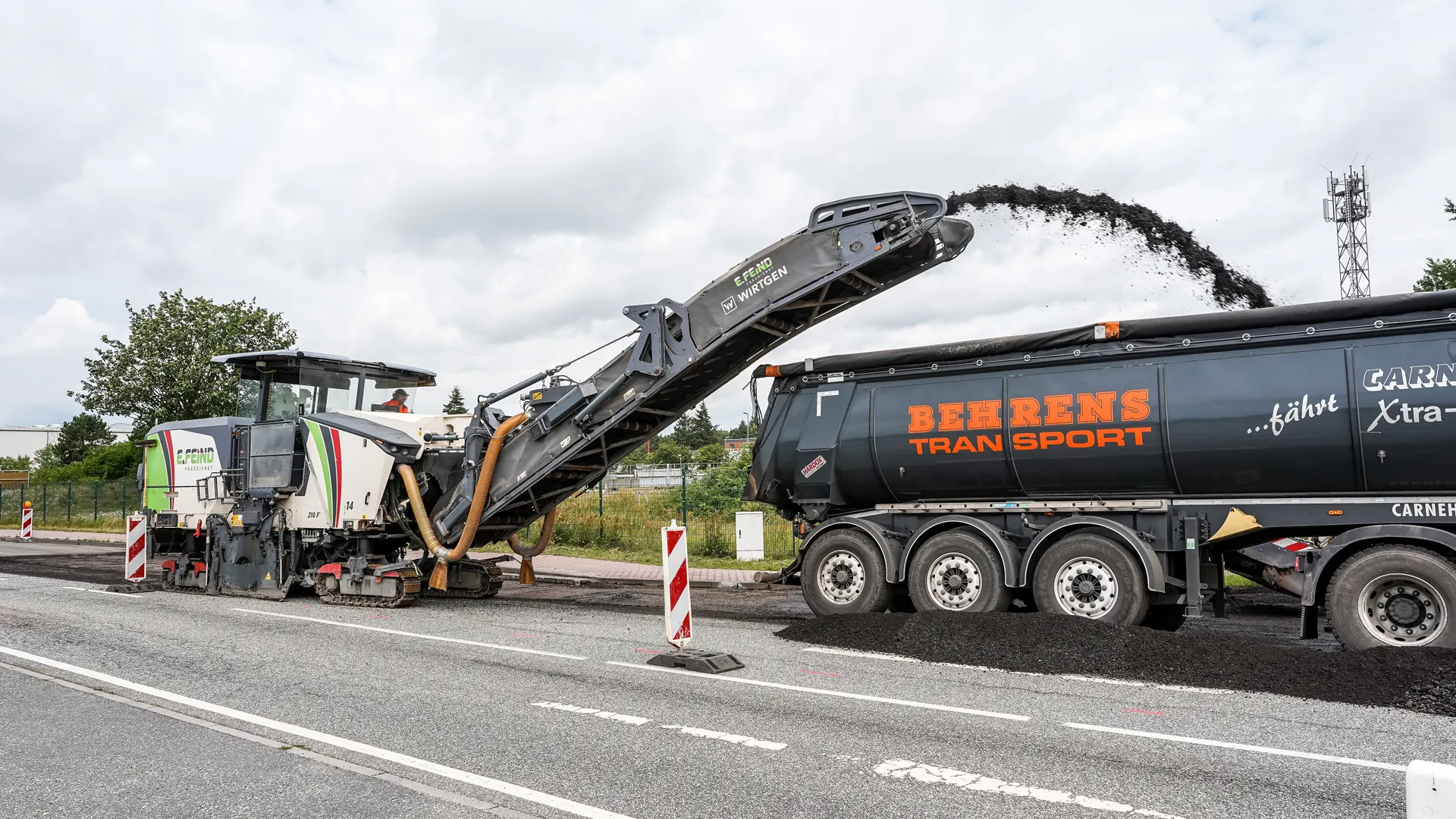
Get Your Grading & Excavation Scoped Right
Site grading, drainage correction, and subgrade stabilization before a single ton of asphalt gets ordered. Call (817) 207-5968, 24 hours a day.
(817) 207-5968