
Asphalt Paving · Fort Worth, TX
Asphalt Resurfacing & Overlay in Fort Worth, TX
Asphalt & Paving North Fort Worth has coordinated mill-and-overlay and asphalt resurfacing work across the Mid-Cities for 15 years, matching each driveway or lot to the lightest fix that actually holds. Call (817) 207-5968 and most jobs get a written scope within a day of the site visit, whether that's a thin overlay or a full mill-and-overlay.
Resurfacing only works when the base underneath is still sound, and in Haltom City, North Richland Hills, and Watauga that's the real question every quote has to answer. Decades of intense summer UV oxidize and embrittle the asphalt binder at the surface, while the region's high-plasticity 'black gumbo' clay swells and shrinks the ground below. When the clay has stayed stable and it's the top layer that failed, an overlay fixes it without tearing anything out.
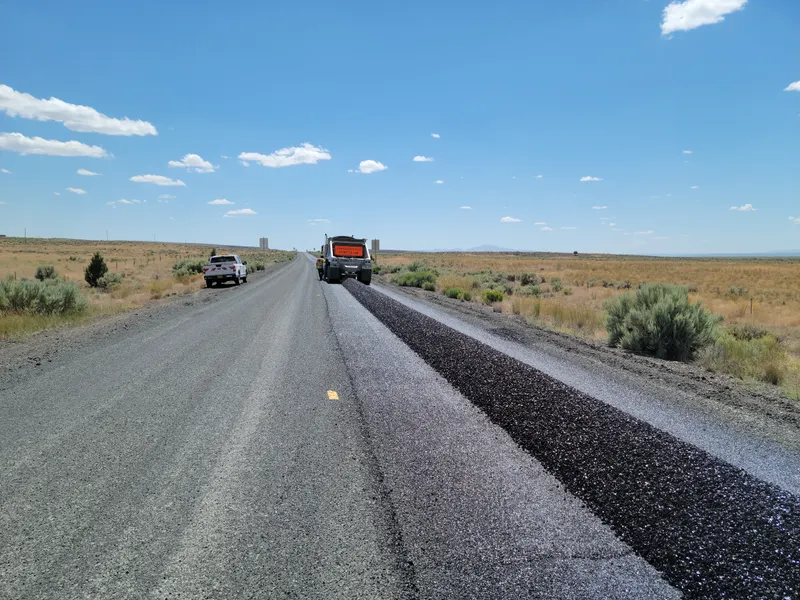
The crews we coordinate mill down the old wearing course, place a fresh leveling course wherever the surface has settled unevenly, tack-coat the milled surface so the new mat bonds instead of sliding, and compact it to the density Superpave mix design calls for. That sequence is what keeps an overlay from telegraphing every old crack back through within a season.
Skip a step and an overlay just hides a problem for a year before it reflects back through. We tell you upfront when a driveway or lot is a genuine resurfacing candidate and when it needs [full-depth paving](/asphalt-paving) or [targeted repair](/asphalt-repair) instead.
What We Do
Our Asphalt Resurfacing & Overlay Services in Fort Worth
Not every worn surface needs the same fix. We match the process to how the base has held up — from a full mill-and-overlay down to the grade tie-ins most crews skip entirely.

Mill & Overlay
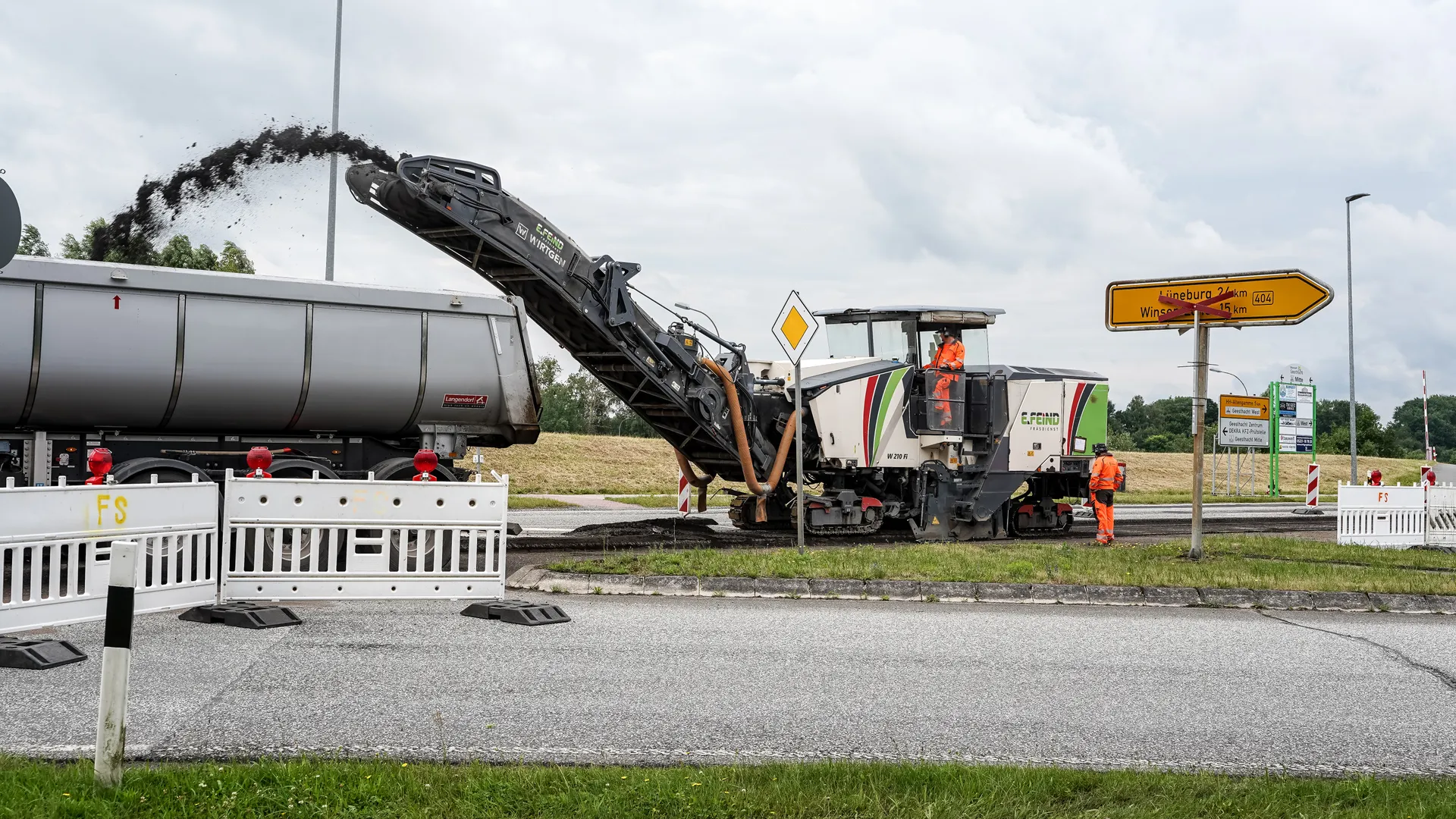
Mill and overlay removes the top 1 to 2 inches of oxidized, rutted asphalt with a milling machine before a new wearing course goes down — typically a 1 to 3 day job on a standard driveway or lot. Milling first keeps the new surface at the same elevation as curbs, garage slabs, and storm grates instead of building height on the old grade.
It's the right call when a driveway or lot shows surface rutting, alligator cracking, or raveling but the base course is still structurally sound — the crews we coordinate confirm that before quoting mill and overlay over a straight replacement.

Thin Asphalt Overlay (No Milling)
On a surface with light-to-moderate oxidation and no significant rutting, we can skip milling and place a thin overlay — usually 1 to 1.5 inches — directly over the existing mat once it's cleaned, patched, and tack-coated. It's the faster, lower-cost route between a $1.50-$4.50 per square foot resurfacing price and the $4-$8 a full replacement runs.
The tradeoff is a slightly raised final grade, which matters at garage aprons, sidewalk tie-ins, and drain inlets — something we check on-site before recommending a no-mill overlay.

Grade Tie-Ins & Drainage Matching
An overlay that ignores where it meets a garage slab, a curb, or a storm inlet just moves the water problem instead of solving it — on Tarrant County's expansive clay, standing water at a low tie-in point starts the next round of heaving. We feather the new mat down at every transition and re-check cross-slope before final compaction.
Commercial lots get the same treatment at ADA-accessible stall thresholds and drive aisles, where a raised overlay edge can become both a tripping hazard and a compliance problem if the tie-in isn't planned before paving starts.
The Benefits
Why Resurfacing Pays Off Before Full Replacement
Done at the right point in a pavement's life, resurfacing isn't a shortcut — it's the financially smarter move, and the numbers back that up.
Costs a Fraction of Full-Depth Replacement
Overlay and resurfacing work runs $1.50 to $4.50 per square foot installed, against $4 to $8 per square foot for full-depth removal and replacement on the same footprint — roughly half the cost or less for a surface with a base still doing its job. Milling itself adds only $0.30 to $1.50 per square foot when part of the scope.
For a mid-size Haltom City or North Richland Hills parking lot, that difference is easily tens of thousands of dollars, which is why we always check whether the base qualifies for an overlay before quoting a tear-out.

Fixes Surface Distress Without Touching a Sound Base
Asphalt is engineered to be renewed rather than rebuilt — the industry's own Perpetual Pavement approach is designed so the structural section underneath never needs removal, only the wearing surface periodically refreshed. That's exactly what mill and overlay does at driveway and parking-lot scale: the compacted base and subgrade stay untouched while a new, UV-fresh surface goes on top.
It also means the asphalt milled off doesn't go to a landfill — it re-enters the recycling stream that put over 101 million tons of reclaimed asphalt pavement back into use nationwide in 2024.

Buys Years Before the Reconstruction Bill Comes Due
Federal Highway Administration data on Michigan's pavement network found preventive work at the right time was more than six times as cost-effective as letting pavement fail into full reconstruction — the state held its network condition for about $80 million in preventive work versus an estimated $700 million to rebuild. Resurfacing at the first sign of oxidation or shallow rutting is that same preventive window at driveway and lot scale.
Wait past that window into base failure and deep alligator cracking, and the option disappears — at that point it's [asphalt repair](/asphalt-repair) or a full [asphalt paving](/asphalt-paving) rebuild instead of a lower-cost overlay.
Why Us
Why Fort Worth Chooses Us for Resurfacing
Fifteen years of matching North Texas driveways and lots to the right fix means we rarely recommend an overlay that won't hold, or a tear-out that wasn't necessary.
We Core-Check Before We Quote an Overlay
Some contractors sell resurfacing on every call because it's the cheaper number to quote. The crews we coordinate check the base first — a soft, failed, or deeply cracked base gets told to you straight, with [asphalt repair](/asphalt-repair) or full replacement recommended instead of an overlay that would just crack again within a season. That honesty is why repeat calls to the same address are rare.
Crews That Follow TxDOT and Superpave Specs
The crews we coordinate follow TxDOT standard specifications and Superpave mix design on every job, using PG binder grades matched to North Texas summer heat rather than a generic mix. That's the difference between an overlay that bonds and holds through a Tarrant County summer and one that shoves and ruts within the first year. They're fully licensed and insured, and every mill-and-overlay job gets a written scope before equipment shows up.
Local Enough to Know Which Blocks Are Due
Haltom City's 1950s-70s core, North Richland Hills' 1970s-2000s subdivisions, and Watauga's nearly built-out neighborhoods each aged into their resurfacing window at roughly the same time, which means we've already seen how the expansive clay under each one behaves. That local pattern recognition tells us in one site visit whether your [driveway or lot](/asphalt-paving) is a genuine overlay candidate — or whether it's already past that point.
Not sure whether your surface needs resurfacing or something more targeted? See how asphalt repair handles isolated potholes and cracking, or what full asphalt paving involves when the base has failed. The same North Fort Worth paving crew also handles parking lot paving & striping once the new overlay cures.
Frequently Asked Questions
What's the actual difference between asphalt resurfacing and full replacement?
Resurfacing — whether a mill-and-overlay or a thin overlay — adds a new wearing course on top of a base and subgrade that are still structurally sound, typically running $1.50 to $4.50 per square foot. Full-depth replacement tears out the existing asphalt down to or including the base, then rebuilds it in layers, running $4 to $8 per square foot because of the extra excavation, base material, and compaction involved. The deciding factor isn't how the surface looks — it's whether the base has failed. We check that with a core sample or visual assessment before recommending [asphalt paving](/asphalt-paving) over a lower-cost overlay.
How do I know if my driveway or parking lot is a candidate for overlay instead of full replacement?
The tell is in the crack pattern and how the surface feels underfoot. Shallow rutting, raveling, graying oxidation, and hairline-to-moderate cracking over a firm, stable base are all signs an overlay will hold. Deep alligator cracking across large areas, potholes that keep reopening, or a surface that flexes or feels soft usually means the base has failed, which an overlay would only bury for a season before it reflects back through. We confirm which situation you're in on-site rather than guessing from a phone description, since guessing wrong means paying twice.
What is mill and overlay, and why mill the old surface off first?
Milling removes the top 1 to 2 inches of worn asphalt with a rotating-drum machine before the new wearing course goes down, adding roughly 0.5 to 2 days to the job. Milling first keeps the final surface at the same elevation as curbs, garage slabs, manholes, and storm grates — skip it and every overlay adds height, eventually creating a lip at each tie-in point. It also gives the reclaimed asphalt a second life: the industry recycled roughly 101 million tons of it in the 2024 season alone instead of sending it to a landfill.
How much does asphalt resurfacing cost in Fort Worth?
Overlay and resurfacing work runs $1.50 to $4.50 per square foot installed, with milling adding another $0.30 to $1.50 per square foot when the scope calls for it — well under the $4 to $8 of full-depth removal and replacement. A typical driveway resurfacing lands in the low-to-mid end of that range; a commercial lot overlay scales with square footage and how many drainage or ADA tie-ins need feathering. We quote a fixed number after the site visit, once we know whether the job is a thin overlay or a full mill-and-overlay.
How long does mill and overlay take, and how soon can I drive on it?
A standard driveway or small parking lot mill-and-overlay typically takes 1 to 3 days on-site, covering milling, tack coating, paving, and compaction. Plan on 3 to 7 days before regular vehicle traffic, longer if temperatures drop below 50°F during the cure, since cooler asphalt compacts and sets more slowly. Full hardening of the new surface continues for 6 to 12 months, which is also why we wait 30 days on a commercial lot and up to 90 days on a residential driveway before recommending [sealcoating](/sealcoating) over the new overlay.
Do I need a permit to resurface a driveway or parking lot in Haltom City, North Richland Hills, or Watauga?
All three cities handle driveway and paving permits through their own building departments rather than routing through Tarrant County, and each requires a permit for work that changes the driveway approach or extends into the right-of-way. A straightforward overlay that stays within the existing footprint and grade is generally a lower-friction permit situation than new paving or a widened approach, but the requirement still varies by city and by scope. We confirm what's needed with the correct department before the crew shows up, so a permit question never holds up your job mid-way.
Can you overlay directly over an existing asphalt or concrete surface without milling?
Yes — on asphalt-over-asphalt jobs with light-to-moderate distress and no major elevation concerns, a thin overlay of about 1 to 1.5 inches can go directly over the cleaned, tack-coated existing surface. Asphalt over concrete is possible too, but it needs a bonding layer or fabric interlayer to keep concrete joint cracks from reflecting straight through the new asphalt within a season or two. Either way, we check clearance at garage aprons, curbs, and drain inlets first, since a no-mill overlay always raises the final grade by the thickness of the new mat.
How does Fort Worth's expansive clay soil affect whether resurfacing will actually hold?
North Tarrant County sits on high-plasticity 'black gumbo' clay that swells and shrinks several inches seasonally, and that movement is what eventually cracks a base course from underneath rather than from surface wear. An overlay fixes surface-level oxidation and rutting, but it can't fix a base that's already heaving from active clay movement — that distinction is why we look at the pattern of the cracking, not just its depth, before recommending resurfacing. A base still moving with the clay usually needs grading and stabilization work first, which is closer to [full asphalt paving](/asphalt-paving) than a simple overlay.
How long will a resurfaced driveway or parking lot last, and when should it be sealcoated?
A properly milled and overlaid surface, on a sound base, generally performs on the same timeline as new asphalt from that point forward, with the structural section underneath designed to outlast the wearing course itself under a Perpetual Pavement approach. We recommend waiting 30 days on a commercial lot, or up to 90 days on a residential driveway, before the first [sealcoating](/sealcoating), which gives the new mat time to cure and lets the sealer bond properly instead of trapping moisture underneath. After that, routine sealcoating every couple of years protects the new surface from the same UV oxidation that aged the old one.
What's a tack coat, and why does it matter for an overlay's durability?
A tack coat is a thin layer of asphalt emulsion sprayed onto the milled or existing surface right before the new mat goes down, and its only job is bonding the new layer to the one underneath. Skip it, or apply it unevenly, and the new overlay can slip, shove, or delaminate under vehicle turning loads — especially in Texas summer heat, when asphalt softens and shear stress at that bond line is highest. It's a small, inexpensive step relative to the paving itself, but it's one of the most common shortcuts that shows up later as premature overlay failure.
Get a Resurfacing Quote Today
Mill-and-overlay and thin overlay, quoted after we check the base. Call (817) 207-5968 — Open 24 Hours.
Call (817) 207-5968