
Asphalt Paving · Fort Worth, TX
Asphalt Paving in Fort Worth, TX
Asphalt & Paving North Fort Worth coordinates new asphalt paving for driveways, private roads, and parking lots across Haltom City, North Richland Hills, Watauga, and the wider Fort Worth metro — 15 years of local paving coordination, with calls answered 24 hours a day. Whether it's a residential driveway going from gravel to blacktop or a new private road serving a subdivision or commercial site, the coordinated crews build it as full-depth hot-mix asphalt over a properly prepared base, not a thin skin poured over bare dirt.
New pavement in North Tarrant County has one obstacle every other market doesn't deal with the same way: the expansive 'black gumbo' clay under Haltom City, North Richland Hills, and Watauga, weathered from the Cretaceous Eagle Ford and Woodbine formations, with clay content that frequently exceeds 50%. That clay swells when it's wet and shrinks hard through a dry North Texas summer, moving several inches seasonally. Pave over it without the right base and compaction, and even brand-new asphalt starts heaving and cracking within a season or two — which is exactly why subgrade prep gets as much attention on a new install as the asphalt itself.
This page covers new asphalt construction specifically — driveways, private roads, and new lots built from the ground up with full-depth hot-mix asphalt, proper aggregate base, and correct drainage grading, to TxDOT and Asphalt Institute specifications. If the job is patching a pothole or crack in existing pavement, that's covered on the [asphalt repair](/asphalt-repair) page; protecting or refreshing pavement that's already down is [sealcoating](/sealcoating); and restoring a worn but structurally sound surface without a full tear-out is [asphalt resurfacing](/asphalt-resurfacing). New construction is a different job with a different scope, and it's the one this page is built around.
A new-paving job runs through the same sequence every time: evaluate the site and grade, excavate and compact the subgrade, place and compact an aggregate base course, then lay and compact hot-mix asphalt at the correct thickness for the load it'll carry — a driveway built to a different structural section than a commercial lot taking daily delivery-truck traffic. The coordinated crews select PG (performance-graded) binder rated for Texas heat, follow Superpave mix design, and test compaction density before calling the job finished, so the pavement holds up to summer UV oxidation and the clay movement underneath it instead of failing early.
What We Do
Our Asphalt Paving Services in Fort Worth
New paving isn't one job — a driveway, a private road, and a commercial lot each carry different loads and need a different structural section. Here's how the coordinated crews scope each one.

New Driveway & Private Road Paving
A new residential driveway typically runs $3,000 to $10,000 installed and takes 1 to 2 days on site — excavation and grading, aggregate base compaction, then hot-mix asphalt laid and rolled to density while it's still hot. Gravel-to-asphalt conversions and full driveway widening or extension follow the same sequence, just scaled to the footprint.
Private roads serving a subdivision, church, or commercial property use a heavier structural section built for repeated vehicle loading rather than a single household's daily traffic, with the same subgrade and compaction standards applied over a longer run.

Parking Lot & Commercial Lot Paving
A new small-to-mid commercial lot typically runs $10,000 to $150,000 and takes 1 to 3 days to pave, built with a thicker structural section than a driveway to carry daily traffic, delivery trucks, and stop-and-turn loading without rutting. Layout has to account for drainage slope and any islands, light poles, or drains before the first load of asphalt shows up.
Once the lot is paved and cured, layout design, ADA striping, and pavement markings are handled on the [parking lot paving](/parking-lot-paving) page — a separate phase that has to wait for the new asphalt to cure first.
Base & Subgrade Preparation
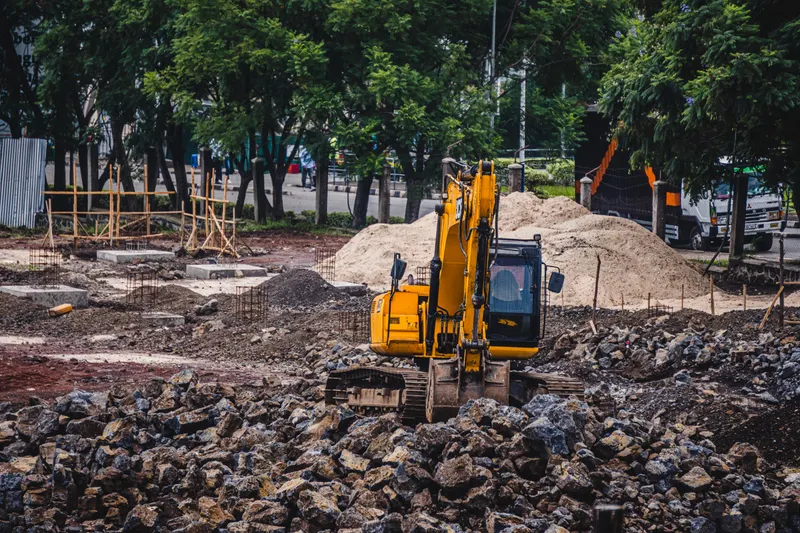
This is the step that decides whether new asphalt lasts 15 years or starts cracking in year two on North Texas clay. The site gets excavated and graded to the correct slope for drainage, the subgrade is compacted, and an aggregate base course — crushed stone — is placed and compacted to spec before any asphalt goes down, with a tack or prime coat applied where the mix design calls for it.
Skipping or shorting this step is the single most common reason new pavement fails early on expansive clay, which is why it's never treated as an afterthought here.
The Benefits
Why Proper New-Construction Paving Pays Off in Fort Worth
New asphalt is only as good as what's underneath it. Getting the base, compaction, and drainage right the first time is what separates pavement that lasts from pavement that's back on the repair list within a year.

Built to Handle North Texas Expansive Clay
Haltom City, North Richland Hills, and Watauga all sit on the same high-plasticity black gumbo clay, and that soil moves seasonally whether or not there's pavement on top of it. A correctly compacted aggregate base and full-depth hot-mix section give new asphalt enough structural integrity to flex with that seasonal movement instead of cracking along with it — the difference between a driveway or lot that's still solid at year fifteen and one that's already heaving by year three.
Paved to TxDOT & Asphalt Institute Standards
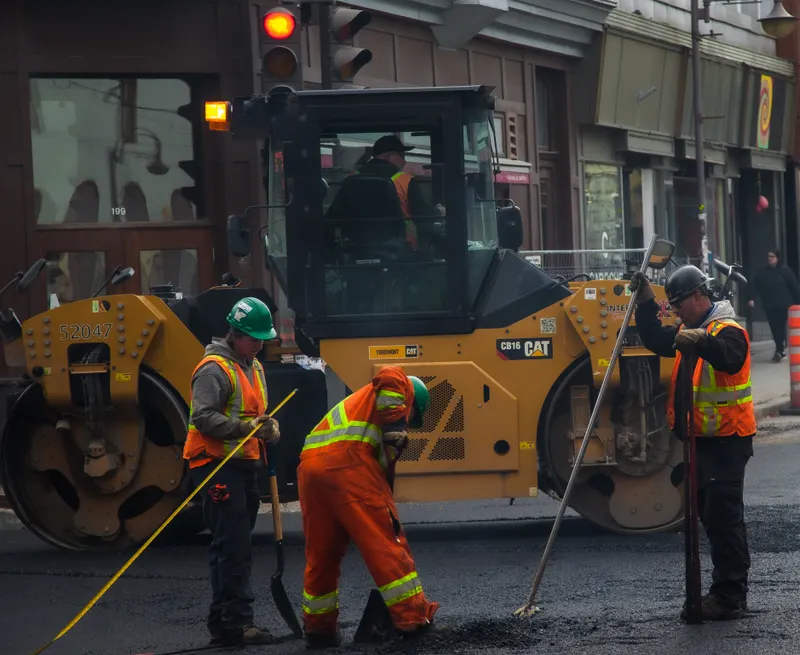
The coordinated crews follow Superpave mix design and TxDOT standard specifications, using PG (performance-graded) binder selected for the temperature swings a Fort Worth summer and the occasional hard freeze both put on asphalt. That's on top of national reclamation numbers worth knowing — asphalt is America's most recycled product, with the industry putting 101.4 million tons of reclaimed asphalt pavement back into use in the 2024 construction season alone, so a new mix design isn't starting from all-virgin material.

Correct Drainage Grading From Day One
Standing water is the fastest way to undermine a new subgrade, so every new driveway, private road, and lot gets graded to shed water away from structures and toward proper drainage before the first load of asphalt arrives. For sites that want to manage stormwater rather than just shed it, porous asphalt is worth discussing — EPA data shows porous surfaces can infiltrate up to 80% of runoff and strip out 60-85% of undissolved nutrients, a real option on the right commercial site.
Why Us
Why Fort Worth Chooses Us for New Asphalt Paving
Fifteen years of coordinating new paving on North Texas's toughest soil means the base gets built right before a single truck of asphalt ever shows up.
New-Construction Focus, Not a Patch Job in Disguise
Some paving outfits treat every job the same regardless of scope. The crews coordinated here scope new driveways, private roads, and lots as full-depth construction projects — excavation, base, compaction, then asphalt — because a driveway built that way on expansive clay outlasts one where a crew skipped straight to the surface layer to save a day of labor.
Density-Tested Compaction, Not Guesswork
Under-compacted base is invisible the day the job finishes and expensive the year it fails. The coordinated crews compact each lift of base and asphalt to target density rather than eyeballing it, because a soft spot in the base telegraphs straight through to the surface once traffic and clay movement start working on it.
Scheduled Around North Texas Heat and Storm Season
Asphalt placed below 50°F cures far more slowly, and a summer storm rolling through the Mid-Cities mid-pour can ruin a day's work. Calls come in 24 hours a day so scheduling can account for the weather window that actually works, rather than locking in a date that fights the forecast.
Not sure whether new construction or a repair is the right call for a cracked or failing driveway? The asphalt repair page covers pothole and patch work, and if the surface is worn but the base underneath is still sound, asphalt resurfacing is usually the more affordable fix. For the full list of what gets coordinated across Haltom City, North Richland Hills, and Watauga, see our services — it's the same North Fort Worth paving crew network behind every job on this page.
Frequently Asked Questions
How much does it cost to pave a new asphalt driveway or private road in Fort Worth?
A new residential driveway typically runs $3,000 to $10,000 installed, or roughly $3 to $15 per square foot, depending on size, base depth needed, and site access. A private road costs more per linear foot since it uses a heavier structural section built for repeated vehicle loading. Sites needing significant grading or subgrade stabilization on Tarrant County's expansive clay cost more than an already-graded lot. We quote the price after an on-site evaluation, not a phone estimate.
How long before I can drive or park on new asphalt?
Plan on 3 to 7 days before regular vehicle traffic, longer if the asphalt was placed below 50°F since cold slows the cure. Light foot traffic is usually fine after 24 to 72 hours once the surface has cooled and set. Full hardening actually continues for 6 to 12 months after paving, which is part of why sealcoating a brand-new surface has to wait until the mix finishes off-gassing.
Can you pave a new driveway or lot over my existing asphalt or concrete?
It depends on the condition underneath. If the existing surface is structurally sound and just worn, an overlay or mill-and-overlay is usually the right call — that's covered on our [asphalt resurfacing](/asphalt-resurfacing) page rather than this one. But if it's cracked through to the base, badly rutted, or sitting on a subgrade that's already failed from clay movement, paving over it just buries the problem, and full-depth removal and replacement is the only fix that lasts.
Why does subgrade and base preparation matter so much for new paving here?
Haltom City, North Richland Hills, and Watauga sit on expansive black gumbo clay weathered from the Eagle Ford and Woodbine formations, with clay content frequently exceeding 50% in North Tarrant County. That clay swells when saturated and shrinks hard through a dry Texas summer, moving several inches seasonally regardless of what's paved on top. A properly excavated, graded, and compacted aggregate base gives new asphalt a structural layer that flexes with that movement instead of cracking with it.
What time of year and temperature is best for new asphalt paving?
Warm, dry weather with temperatures consistently above 50°F gives the best results, which in North Texas generally means spring through fall rather than the coldest weeks of winter. Asphalt placed below that threshold cures more slowly and can fail to bond and compact properly. Rain during placement is also a problem since it interferes with compaction before the mix sets. We schedule around the forecast rather than a fixed date, which is part of why calls come in around the clock.
Do I need a permit to pave a new driveway or private road in Fort Worth?
It depends on which city the property sits in. Haltom City, North Richland Hills, and Watauga each run their own building or permitting department that handles driveway approach and paving permits inside city limits, rather than routing through Tarrant County, with unincorporated pockets falling under county jurisdiction instead. Requirements can also depend on whether the approach connects to a city street, county road, or state highway right-of-way. We confirm what's required for the specific address before work starts.
What's the difference between hot-mix and warm-mix asphalt, and which do you use?
Hot-mix asphalt (HMA) is produced and placed at higher temperatures and is the traditional standard for durability, while warm-mix asphalt (WMA) is produced and placed 50 to 100 degrees Fahrenheit cooler, cutting fuel use and emissions. Warm-mix technologies were used in 40.2% of all asphalt produced nationally in the 2024 construction season and perform comparably to hot-mix for most driveway and lot work. The right choice depends on the job's structural demands and the weather window it's placed in.
How thick does new asphalt need to be for a driveway versus a parking lot?
A residential driveway generally needs a lighter structural section than a commercial lot since it only carries passenger vehicles rather than delivery trucks and repeated heavy loading. A commercial lot or private road built for regular truck traffic needs a thicker asphalt layer over a deeper, more heavily compacted base to avoid rutting and shoving in the wheel paths over time. Exact thickness gets specified after evaluating traffic load, subgrade condition, and drainage — there's no single number that fits every job.
When can I sealcoat a brand-new asphalt driveway or parking lot?
New asphalt needs to cure before it's sealed — typically about 30 days for a commercial lot and up to 90 days for a residential driveway, because sealing too early traps oils still evaporating out of the fresh mix. Sealing early can also trap moisture against a surface that hasn't fully hardened, undercutting the protection sealcoating is supposed to add. Once that cure window passes, sealcoating helps protect the investment — full details live on our [sealcoating](/sealcoating) page.
Should I choose asphalt or concrete for a new driveway or private road?
Asphalt typically costs less to install than concrete, cures faster, and is cheaper to repair or resurface later since patching and overlays are routine rather than a full slab replacement. Concrete tends to hold up longer between major interventions but shows cracking more visibly and costs more to fix once it does, especially on North Texas's expansive clay. Asphalt is also more forgiving of the seasonal ground movement this area sees, a real factor when the subgrade keeps shifting.
Get Your New Asphalt Paving Job Scheduled
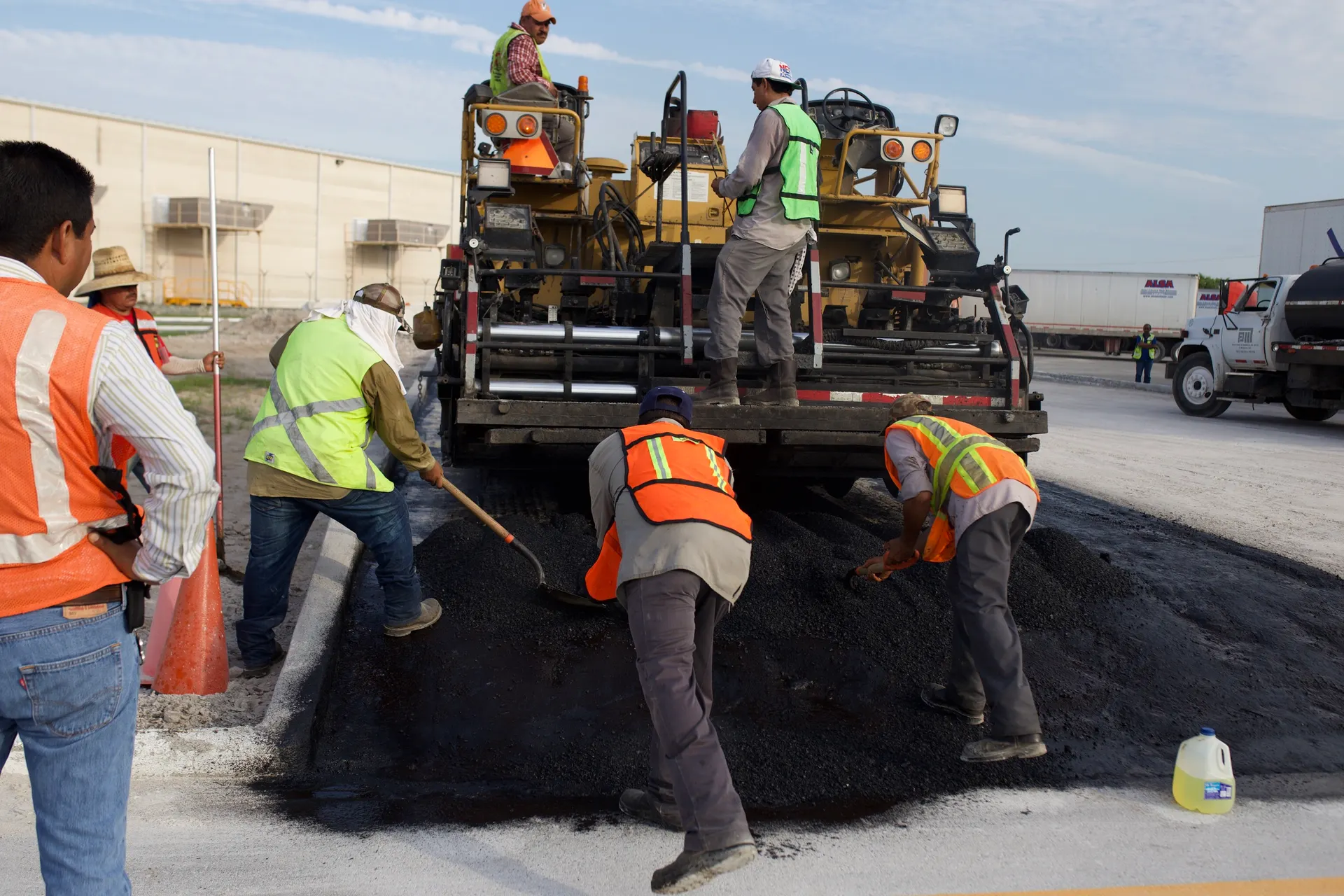
Driveways, private roads, and parking lots — full-depth hot-mix over a properly prepared base. Call (817) 207-5968, 24 hours a day.
Call (817) 207-5968